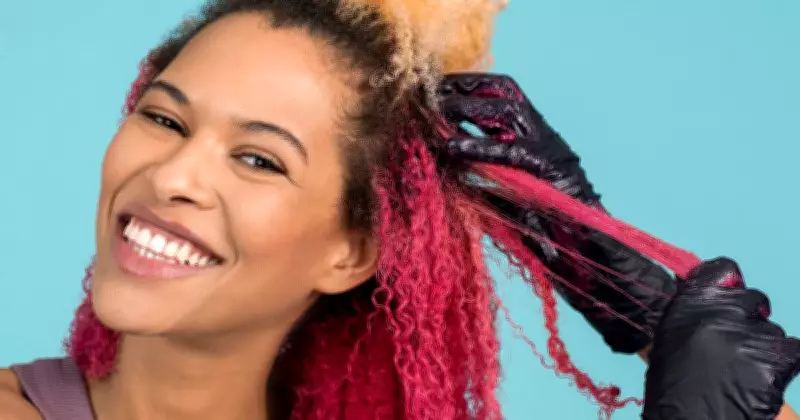
Understanding Safe Hair Dye Frequency: A Comprehensive Guide
Hair coloring has become a popular form of self-expression and personal therapy for many individuals, but beneath the vibrant shades and glossy finishes lies a chemical process that demands careful consideration. Most people only begin questioning their hair dye habits when their hair starts exhibiting troubling signs: increased dryness, noticeable thinning, and diminished vitality. The fundamental question remains: how frequently can you color your hair without causing irreversible damage?
The Chemistry Behind Hair Coloring
Coloring your hair involves chemical interactions that alter your hair's natural structure. While the results can be visually stunning, excessive chemical processing can compromise hair integrity. The safe frequency for hair dyeing isn't uniform for everyone; it varies significantly based on the type of dye used, your hair's current condition, and the aftercare regimen you follow.
Permanent Hair Dye: Maximum 3-6 Times Annually
Permanent hair dye represents the most intensive coloring option available. This formulation works by opening the hair cuticle and depositing color pigments deep within the hair shaft, ensuring long-lasting results. However, this process simultaneously weakens the hair's protein structure, allowing essential moisture to escape and making strands increasingly brittle over time.
Professional hairstylists generally recommend spacing permanent color applications 8 to 12 weeks apart, translating to approximately 3 to 6 sessions per year. This timeframe allows your hair sufficient recovery between treatments. When using permanent dye, focusing exclusively on root touch-ups rather than full-head recoloring can help minimize damage. Bleaching, which involves pigment removal and structural alteration, should be limited to just 1-2 times annually unless your hair demonstrates exceptional resilience.
Demi-Permanent Dye: 6-8 Applications Yearly
Demi-permanent dyes offer a gentler alternative to permanent colors. These formulations coat the hair and deposit tone without aggressively penetrating the hair shaft or lifting substantial natural pigment. The reduced chemical intensity means you can safely apply demi-permanent color every 6 to 8 weeks, amounting to 6-8 coloring sessions annually.
While demi-permanent dyes still cause some degree of dryness, the damage level remains significantly lower than with permanent options. This makes them an intelligent choice for individuals with already fragile hair or those seeking richness and tone correction without long-term commitment.
Semi-Permanent Dyes & Gloss Treatments: 8-12 Times Per Year
Semi-permanent dyes and gloss treatments represent the mildest approach to hair coloring. These products primarily coat the hair's outer layer without containing strong developers, allowing application every 4 to 6 weeks without causing serious damage. This frequency translates to approximately 8-12 coloring sessions annually.
These gentle options prove ideal for various purposes:
- Enhancing natural shine and vibrancy
- Refreshing faded color between treatments
- Experimenting with bold or temporary tones
- Trying new looks without permanent commitment
Assessing Your Hair's Individual Condition
The most critical factor in determining safe dye frequency is your hair's unique condition. Two individuals following identical coloring schedules can experience dramatically different outcomes based on their hair's health and history. Hair that has undergone previous chemical treatments, receives daily heat styling, possesses naturally fine or fragile texture, or has been relaxed or texturized requires extended recovery periods between coloring sessions.
Even healthy, virgin, thick hair that tolerates chemical processing better isn't immune to damage. A practical assessment method involves checking for warning signs: if your hair feels stretchy when wet, exhibits rough ends, or snaps easily during brushing, it requires additional recovery time regardless of your planned coloring schedule.
Recognizing Overprocessing Warning Signs
Your hair communicates distress through various indicators before significant damage occurs. Be alert for these warning signs of excessive coloring:
- Unusual shedding following color application
- Rapid multiplication of split ends
- Gummy texture when hair is wet
- Persistent dryness despite deep conditioning
- Noticeable loss of natural shine
If you observe two or more of these symptoms, consider taking a seasonal break from coloring to allow your hair to recover.
Strategies to Extend Coloring Intervals Safely
For those who love colored hair but wish to minimize damage, implementing these protective measures can help extend safe coloring intervals:
1. Focus on Root Touch-Ups: Apply dye exclusively to new growth areas, avoiding overlap onto previously colored hair sections.
2. Implement Regular Deep Conditioning: Weekly deep conditioning treatments maintain moisture balance, while protein treatments every 4-6 weeks help rebuild hair structure.
3. Reduce Heat Styling: The combination of chemical processing and heat styling creates particularly damaging conditions for hair.
4. Use Sulfate-Free Cleansers: Harsh shampoos accelerate color fading and contribute to dryness.
5. Consider Gloss Treatments: Sometimes hair needs shine enhancement rather than additional pigment deposition.
Final Recommendations for Safe Hair Coloring
Based on professional guidelines and hair science, here are simplified frequency recommendations:
- Permanent dye: 3-6 times annually
- Demi-permanent dye: 6-8 times annually
- Semi-permanent/gloss treatments: 8-12 times annually
- Full-head bleaching: 1-2 times annually
The fundamental principle remains: prioritize your hair's health over cosmetic concerns. Damaged hair cannot showcase any color effectively. Hair coloring itself isn't detrimental; the problem arises from overprocessing. When your hair feels strong, hydrated, and elastic, you're likely within safe coloring parameters. When it appears fatigued, allow adequate recovery time. Ultimately, healthy hair not only looks better but also retains color more effectively and vibrantly.