Federal Government Convenes High-Level Meeting to Address Music Royalties Crisis in Nigeria
The Federal Government has taken decisive action to address the ongoing crisis surrounding music royalty collection in Nigeria. Through key ministries and agencies, government officials have engaged with industry stakeholders in a high-level meeting aimed at finding sustainable solutions to the challenges plaguing the collective management system.
High-Level Abuja Meeting Brings Together Key Players
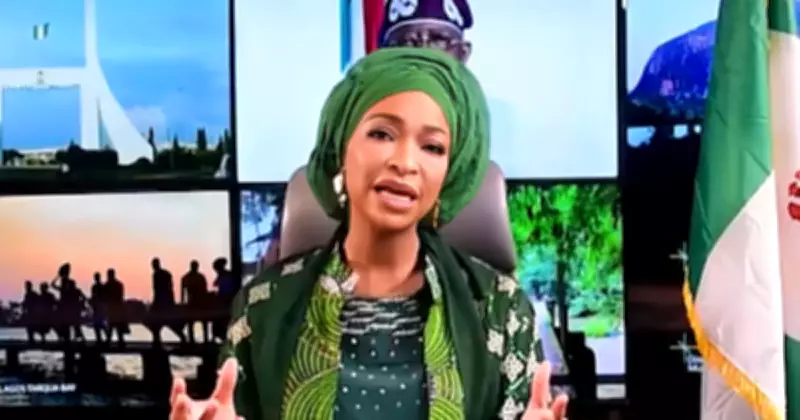
The significant meeting took place in Abuja on Tuesday, January 27, and was convened by the Honourable Minister of the Federal Ministry of Arts, Culture, Tourism and the Creative Economy, Hannatu Musawa. She collaborated with the Honourable Attorney General of the Federation and Minister of Justice, Prince Lateef Olasunkanmi Fagbemi, SAN, to bring together crucial industry figures.
Also present were the Director General of the Nigerian Copyright Commission (NCC), Dr John Assien, and the Director General of the National Council for Arts and Culture (NCAC), Mr Obi Asika. The meeting featured representatives from major industry organizations including the Record Label Proprietors' Initiative Ltd/Gte (ReLPI), represented by Mr. Kizito Ahams, Senior Licensing and Publishing Manager at Mavin Records, and the Music Publishers Association of Nigeria (MPAN), led by its Chairman, Mr. Michael Odiong, who also serves as Chief Executive Officer of Premier Records.
Addressing Systemic Issues in Royalty Management
Amid growing public scrutiny of Nigeria's collective management system, the meeting focused on several critical issues that have undermined confidence in the current framework. Participants examined opaque governance structures, lack of transparency in collection and distribution processes, weak accountability mechanisms, and inadequate reporting to creators and rightsholders.
The central objective of the gathering was to thoroughly review, interrogate, and potentially restructure the entire collective management framework in Nigeria. The primary focus remains on restoring confidence, enhancing transparency, and establishing legitimate systems that properly serve the interests of creators and rightsholders.
Questions Surrounding Current Collection Practices
The current spotlight has fallen particularly on the Musical Collection Society of Nigeria (MCSN), which stands as the only NCC-approved music Collective Management Organisation in the country. Industry stakeholders have raised numerous questions about the organization's operations, legitimacy, and transparency.
Among the pressing concerns is the lack of clarity surrounding a reported ₦2.75 billion payment made by MultiChoice, owners of DStv, to a music collective management organization for copyright-related uses. Stakeholders are demanding detailed explanations about how much the CMO has collected through the copyright levy scheme and which organizations or entities currently hold these funds.
Additional questions center around payments made to creators thus far, including specific details about who received payments and the amounts distributed. The CMO faces demands to share comprehensive information about the distribution framework applied and whether proper regulatory approvals were obtained for these processes. Furthermore, stakeholders have highlighted the absence of publicly accessible audits of the CMO's financial dealings as a significant concern.
Stakeholder Expectations and Future Implications
For industry stakeholders, this meeting represents the first substantial step in engaging the government on the complex issues affecting collective management in Nigeria. Many view it as a crucial pathway toward building systems that prioritize and properly serve creators and rightsholders.
The expectation among participants is that this engagement will lead to the establishment of structures that can guarantee transparency, ensure accountability, and restore investor confidence in both the Nigerian music industry and the broader entertainment ecosystem. The closed-door meetings are expected to continue, with all relevant right-holders and industry stakeholders closely monitoring outcomes that will inevitably shape the future of Nigerian music and the country's creative economy.
This process stands as a major test of political will and governmental commitment to resolving long-standing issues within the creative sector. The decisions made through these discussions will have far-reaching implications for how music royalties are collected, managed, and distributed in Nigeria for years to come.