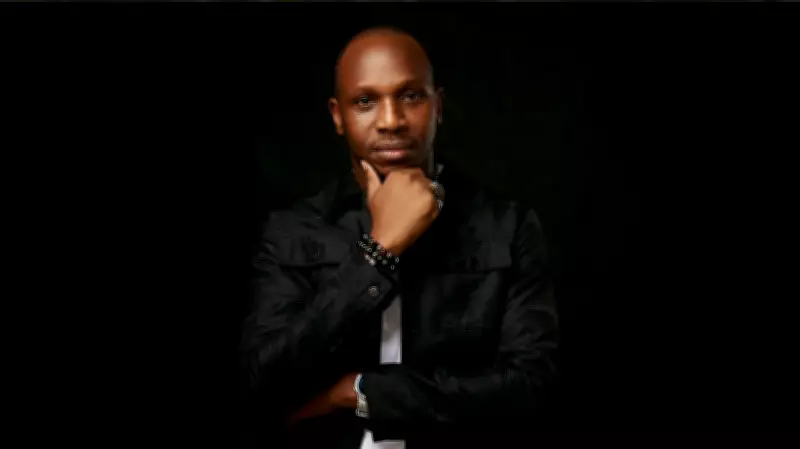
Filmmaker and showrunner Rogba Arimoro has stated that Nigeria's film and television industry contributes more than $6 billion annually to the nation's economy and supports over one million jobs. He noted that the planned acquisition of MultiChoice by French media giant Canal+ signals a major shift in the country's television landscape.
Impact of the MultiChoice-Canal+ Deal
In a statement, Arimoro disclosed that the acquisition could reshape commissioning, streaming, and content ownership in Nigeria, where MultiChoice has long played a central role through platforms such as Africa Magic and Showmax. He emphasized that this is not merely an ownership change but a recalibration of the entire system.
Arimoro said: "This is not just an ownership change; it's a recalibration of the entire system. When a company like Canal+ steps in at that scale, commissioning becomes more strategic, budgets become more scrutinised, and storytelling becomes more market driven."
Economic Contributions and Challenges
He highlighted that Nigeria's film and television sector contributes over $6 billion annually to the economy and supports more than one million jobs across production, distribution, and exhibition. Within that ecosystem, MultiChoice has functioned as a central engine, particularly in television, where commissioning deals account for a dominant share of content creation.
Arimoro noted that creators have been working within a system where visibility is high, but ownership is low. The deal forces a conversation about sustainability, as global players are interested not just in content but in assets. He explained that while the current commissioning model has supported high output, it has also limited ownership opportunities for creators, as many broadcasters retain licensing and distribution rights.
Future of Content Commissioning
He added that Canal+’s expansion strategy across Africa, driven by scale and cross-market integration, is likely to influence commissioning priorities in Nigeria. "At that level, content is no longer commissioned just for local consumption. It's commissioned for ecosystems with a focus on what can travel across territories, what can attract subscriptions, and what can justify investment," he said.
Arimoro observed that streaming opened the door but also raised the bar. The era of commissioning content in large volumes without clear long-term value is ending. Industry analysts believe the development could lead to fewer but higher-quality productions, in line with global trends where media firms prioritise commercially viable, high-impact projects over large-volume output.
Concerns for the Creative Workforce
For Nigeria’s creative workforce, any slowdown in commissioning may affect thousands of writers, actors, directors, and technical crew who depend on steady production cycles. Producer Eze Daniels warned: "The entire ecosystem is tied to commissioning frequency. If that frequency drops, even slightly, the effects will be felt across the board."
Opportunities for International Reach
Despite the concerns, Arimoro said the takeover also presents an opportunity for Nigerian productions to reach wider international audiences through Canal+’s global distribution network. Daniels echoed this, stating that the takeover offers a chance for Nigerian content to gain global exposure.
He added: "The immediate effects may be subtle. But over time, shifts in commissioning and distribution are expected to influence what content is available, how it is priced, and how easily it can be accessed. As Canal+ moves to consolidate its position, Nigeria’s television industry faces a defining moment: one that could determine whether its rapid growth evolves into sustainable value or remains a high-output system that generates activity, but not lasting value for those who power it."