Nollywood Clergywoman Olabisi Adamu Issues Warning Against Monetizing Repentance Online
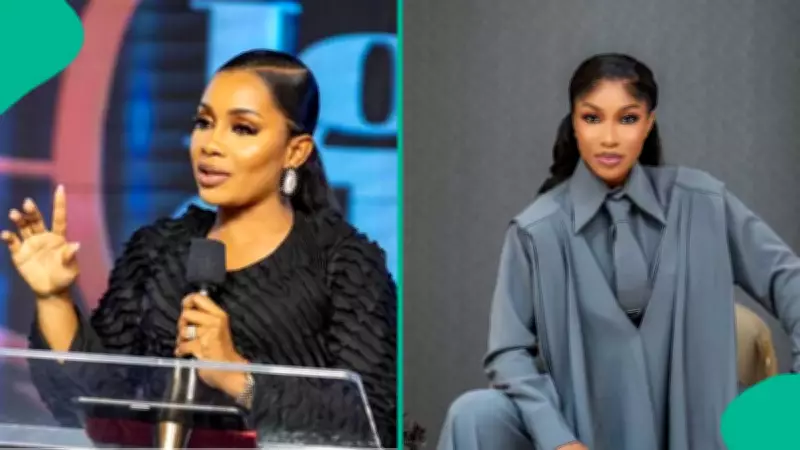
Prophetess Olabisi Adamu, a prominent Nollywood clergywoman and founder of Ignite Prayer Ministry, has released a video addressing a growing trend among evangelists who publicize their repentance and monetize it through social media platforms. In the widely circulated recording, she emphasized that matters of personal repentance and spiritual deliverance should remain private and not be exploited for financial gain or online fame.
Adamu's Critique of Publicized Repentance
In her video message, Adamu expressed concern over individuals who, after experiencing divine deliverance, immediately set up recording equipment such as ring lights to capture their prayer sessions and spiritual activities. She described scenarios where people pause mid-prayer to check if their recordings are still running, prioritizing content creation over genuine spiritual connection. According to Adamu, this behavior demonstrates a lack of spiritual discernment and risks reducing sacred experiences to mere entertainment or revenue streams.
The clergywoman cited biblical examples of individuals who were delivered from sin but chose to keep their transformations private, arguing that true repentance does not require public validation or monetization. She warned that an obsession with fame and online engagement can lead believers to neglect the intimate, personal nature of their faith journey.
Netizens Draw Parallels to Tonto Dikeh's Recent Posts
Adamu's remarks quickly sparked mixed reactions online, with many netizens referencing Nollywood actress Tonto Dikeh. Dikeh has been trending recently due to her lawsuit and reconciliation with her ex-husband, alongside her frequent posts about her spiritual life after publicly giving her life to Christ. The actress has shared videos detailing lessons from her past mistakes and announced plans to start a prayer channel, leading some to view her actions as aligning with the behavior criticized by Adamu.
Fans engaged in heated debates in the comments section of Adamu's video. Some users agreed with the clergywoman, cautioning against the commercialization of personal spirituality and urging others to keep such matters private. Others defended Dikeh, asserting that there is nothing inherently wrong with sharing one's faith journey publicly, as it can inspire and educate others.
Diverse Reactions from Social Media Users
The online discussion revealed a spectrum of opinions:
- @idelepatricia commented, "There is nothing wrong with that because people are learning from it."
- @pbellebeautyng reacted, "Says who? You or God?"
- @the_blackbaddie stated, "This one you’re saying too is supposed to be private! No one has a manual on how God works! If someone documents two minutes of activities with God and shares it, they haven’t done too much."
- @eshuameg wrote, "Why are you in pain? Leave her alone. That is who she is, and that is how she chose to do it—not your business."
These exchanges highlight the ongoing tension between traditional views of private spirituality and modern practices of public faith expression in the digital age.
Background on Tonto Dikeh's Recent Activities
Tonto Dikeh, a mother of one, has been actively sharing her spiritual insights and prayer moments on Instagram, following her decision to dedicate her life to Christ. She recently posted a video reflecting on the costly and painful mistakes she has made, advising her fans to avoid similar errors. Additionally, Dikeh has responded to allegations involving her former bestie, Doris Ogala, and Pastor Fatoyinbo, maintaining a composed demeanor in the face of controversy.
As the conversation continues to evolve, it underscores broader questions about authenticity, monetization, and the role of social media in religious practices within Nigeria's entertainment and spiritual communities.