Major societal upheavals in Nigeria have fundamentally transformed how citizens produce, access, and share news, according to a media expert. The digital revolution, compounded by periods of intense national crisis, has forced a dramatic shift away from traditional media channels.
The Catalysts: Insecurity, Economy, and #EndSARS
Nigeria has navigated a series of overlapping societal disruptions rooted in a complex mix of insecurity, severe economic challenges, and governance issues. These crises have impacted everything from food security and education to personal safety and economic stability, creating an environment where information is both vital and contested.
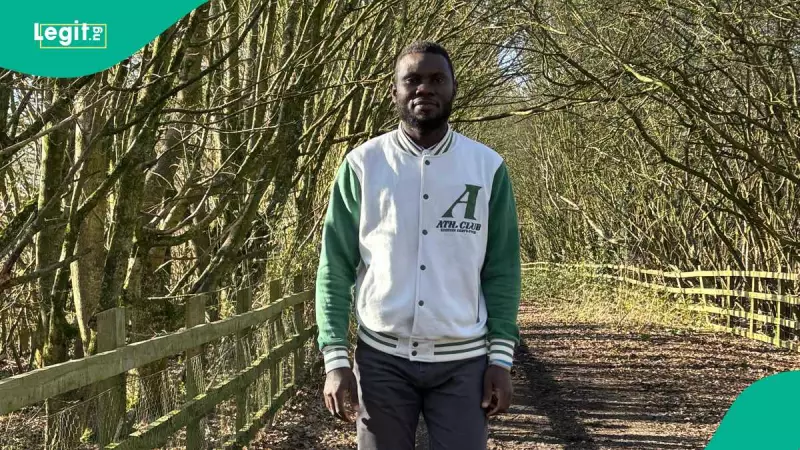
Media scholar Ibrahim Adeyemi, in an exclusive analysis, points to the #EndSARS protests of 2020 as a pivotal moment. He recalled how the movement gained critical momentum online before spilling onto the streets as youths demanded police reform and systemic change.
Reflecting on the five years since those powerful protests and the subsequent Twitter ban in 2021, Adeyemi highlighted their profound significance. He stated that the Twitter ban period will be remembered as a time "where Nigerians collectively had a voice."
"For the first time in a long time, it felt like the people were winning," Adeyemi said. "Young Nigerians who had been tagged 'lazy youths' came out organically to challenge the status quo. It was like a reawakening."
A Government Crackdown and a Public Backlash
However, for the ruling class at the time, led by the late President Muhammadu Buhari, the protest movement represented a dangerous fire that needed extinguishing. Adeyemi explained that the administration's move to ban Twitter was a bid to reassert control, viewing the movement as a growing threat.
While government supporters defended the ban as necessary for national protection, critics saw it as a direct attempt to suppress the people's voice, especially since Twitter had been crucial in amplifying the #EndSARS movement.
Adeyemi shared his analysis of the lasting impact: "The EndSARS protest may not have achieved every goal, but it surely changed the way Nigerians thought and spoke about their rights... The ban on Twitter caused a major rift in the way the people viewed the ruling government. To them, the government had not only taken their voice but also given them the middle finger."
He described a broken social contract, where a prior unspoken agreement that the government was being watched was torn apart. To many citizens, the ban felt like a punishment for daring to speak up.
The Lasting Shift in News Consumption Habits
Critically, Adeyemi stated that this period triggered a permanent shift in how Nigerians consume news. The ban, intended to stifle conversation, backfired spectacularly.
"Instead of slowing conversations, the ban hardened the public's stance, deepened mistrust in the government, and made citizens seek information on their own terms and by any means possible," he noted. Nigerians migrated to other platforms, used VPNs, and demonstrated that while a platform could be restricted, the flow of information itself could not be stopped.
This period saw a sharp decline in trust towards official government communication and traditional media outlets. "Many felt that government agencies and spokespersons were more focused on controlling information than telling the truth. That mistrust spilled over to traditional media too," Adeyemi explained.
The expert outlined the new reality: "Suddenly, people were not waiting for the 9 p.m. news anymore. Rather, they stepped easily into the roles of citizen journalists and online commentators. Everyone felt closer to the ground, ready to report or capture the news in its raw, unfiltered form."
Mainstream media struggled to keep up, with many outlets perceived as aligning too closely with government narratives or acting as uncritical amplifiers for official statements. This perception reshaped Nigeria's entire information ecosystem, widening the gap between the public and established news institutions and cementing the rise of decentralized, citizen-driven news consumption.