Nigerian Woman Voices Concern Over Uncle's Use of Late Wife's Social Media
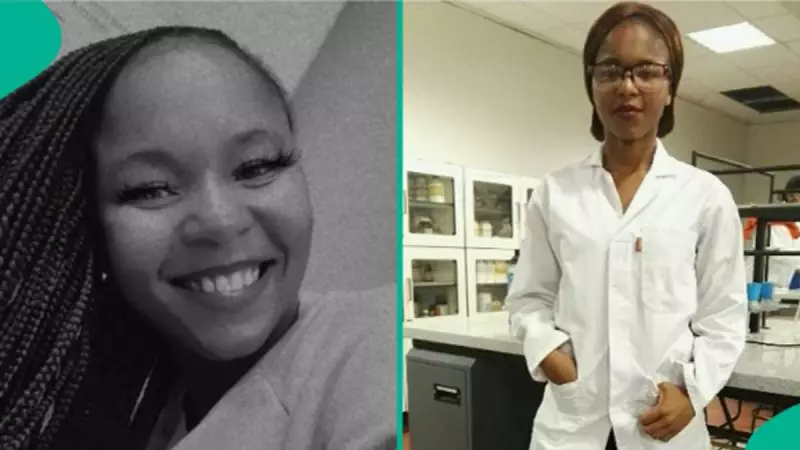
A Nigerian lady has taken to social media to express her deep concern and emotional distress regarding her uncle's actions following the tragic death of his wife. In a heartfelt post shared on her official X account, the woman lamented that her uncle has taken possession of his late wife's phone and is actively using her social media profiles to post photographs and interact with followers.
The Distressing Social Media Revelation
The grieving niece, identified as @lele_mkhondo on X, detailed how her uncle began posting on his deceased wife's TikTok account just days after her burial. According to her account, the family laid her aunt to rest on a Saturday, and by the following day, her uncle was already active on the late woman's social media platforms.
The situation became particularly unsettling when someone commented on one of the posts saying "Girl you broke my heart" to which the uncle reportedly replied using his wife's account with "it's okay girl." This interaction prompted the niece to publicly appeal for intervention, asking someone to talk to her uncle about his behavior.
Social Media Reactions and Shared Experiences
The woman's post quickly garnered significant attention and sparked a flood of responses from social media users across Nigeria and beyond. Many expressed sympathy for both the grieving husband and the concerned niece, while others shared their own experiences with loss and unconventional grieving processes.
Several commenters offered practical suggestions, with one user named Butter Sunshine advising: "Maybe go visit him, get some beers and meat to braai just the 2 of you and just let him talk." Another user named Shoki suggested that this might be "his way of healing" from the profound loss.
The responses revealed that many people have faced similar situations where grieving individuals handle digital legacies in unexpected ways. One commenter named Mgoodnesser urged: "Someone please check on that man grief is doing the MOST," highlighting concerns about the uncle's mental and emotional state.
The Complexities of Grief in the Digital Age
This incident has opened up broader conversations about how people navigate loss in today's digitally connected world. Several social media users shared their personal experiences with grief, emphasizing that everyone processes loss differently and that there's no single correct way to mourn.
One particularly poignant response came from a user named Romi, who shared: "I'm grieving my mom. But I'm also grieving who I was before I had to watch her take her last breath... I grieve a life of 'what if', what if she was still here?" This reflection underscores the multifaceted nature of grief that extends beyond the immediate loss.
Another user named VHScool added perspective by sharing: "I lost my dad in a horrific freak accident 16 years ago and I still have hard days. The first 5 years are hell. The first 6 months, I couldn't even watch tv or listen to music." These testimonies highlight how grief can manifest in various ways over extended periods.
Broader Implications for Digital Legacy Management
This situation raises important questions about digital legacy management in Nigerian society. As social media becomes increasingly integrated into daily life, families are facing new challenges when loved ones pass away. The incident has prompted discussions about:
- Appropriate ways to handle deceased relatives' digital presence
- The psychological impact of maintaining active social media profiles of the departed
- Cultural expectations surrounding mourning periods and behaviors
- Family dynamics when different generations approach grief differently
The woman's public appeal has served as a catalyst for these important conversations, bringing to light how traditional grieving practices intersect with modern technology in Nigerian families.
While some commenters criticized the uncle's actions, others urged compassion and understanding, recognizing that grief can drive people to behave in ways that might seem unusual to outsiders. The diversity of responses reflects the complex emotional landscape that families navigate when dealing with loss in the contemporary digital era.