A growing movement of professional women on LinkedIn is conducting a bold experiment to expose what they believe is a built-in gender bias in the platform's algorithm. By switching their profile gender to male, adopting male aliases, and even using fake mustaches in photos, these women report dramatic, sometimes shocking, increases in their content's reach and engagement.
The Experiment That Sparked a Debate
Last month, in December 2025, female LinkedIn users began sharing a consistent observation: adopting a male identity on the professional networking site led to a significant visibility boost. This set off a chain reaction of similar tests. Women changed their names—Simone became Simon—switched pronouns to he/him, and used AI tools to rewrite their posts with more assertive, stereotypically male language to cultivate an "alpha" persona.
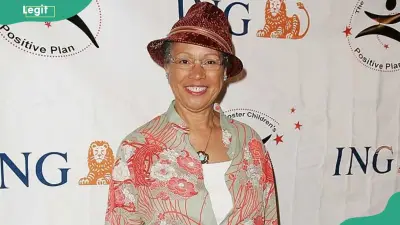
To add a humorous yet pointed visual cue, some participants, like London-based entrepreneur and investor Jo Dalton, uploaded profile pictures of themselves wearing stick-on mustaches. The results were undeniable for many. Dalton reported that the change boosted her reach by 244 percent, accidentally breaking her own LinkedIn engagement records.
Quantifiable Results and Platform Skepticism
The phenomenon was not isolated to anecdotes. When a female reporter from AFP changed her LinkedIn settings to male, the platform's own analytics showed a clear spike. Her posts garnered thousands more impressions compared to the previous week. Rosie Taylor, a journalist based in Britain, saw unique visitors to her newsletter jump by 161 percent in a single week after presenting as a man on LinkedIn, leading to an 86 percent spike in new subscriptions.
Malin Frithiofsson, CEO of Sweden's Daya Ventures, stated this experiment reflects the "gendered discrepancies" professional women have sensed for years. "We're at a point where women are changing their LinkedIn gender to male, swapping their names and profile photos... And their reach skyrockets," Frithiofsson said.
However, LinkedIn has firmly rejected accusations of intentional sexism in its systems. A company spokesperson told AFP that their algorithms do not use gender as a ranking signal, and changing a profile's gender does not affect how content appears in search or feeds. Sakshi Jain from LinkedIn explained in a blog post that their AI considers "hundreds of signals," like a user's network and activity, and noted that rising content volumes create more competition for attention.
Calls for Transparency and Lasting Implications
For the women who witnessed firsthand the engagement boost, LinkedIn's explanation has been met with skepticism. They are now calling for greater transparency around the platform's largely opaque algorithm, which can have real-world impacts on career opportunities and income. Frithiofsson theorized that while there may not be explicit sexist code, bias can emerge through data inputs, reinforcement loops, and cultural norms about what constitutes a "professional" voice.
The experiment raises critical questions for professionals in Nigeria and worldwide about fairness in digital spaces. As Taylor poignantly asked after her successful test, "Who knows how much more successful I might have been if the algorithm had thought I was a man from the start?" This movement underscores a growing demand for accountability in the algorithms that shape professional visibility and success.