BBC Leadership Resigns Over Trump Documentary Controversy
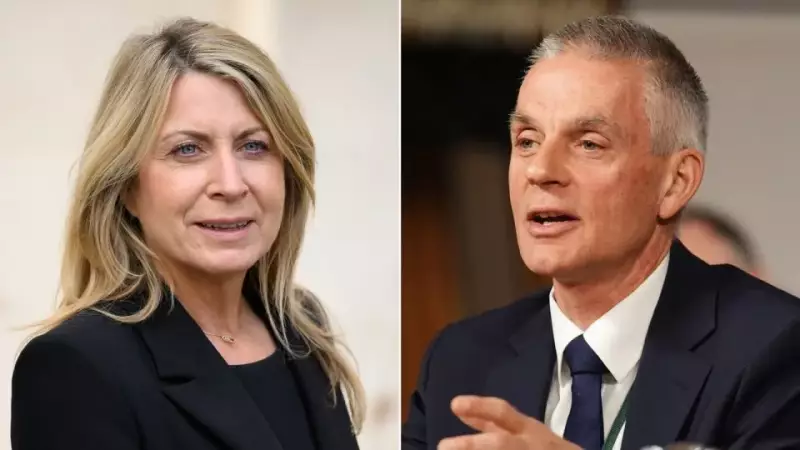
In a dramatic development that has shaken British public broadcasting, BBC Director General Tim Davie and Head of News Deborah Turness have both stepped down from their positions. This unprecedented dual resignation comes after intense criticism over a Panorama documentary that allegedly misrepresented former US President Donald Trump's speech about the January 2021 Capitol Hill riot.
The Editing Controversy That Sparked the Crisis
The scandal erupted when The Telegraph published a leaked internal BBC memo on Monday last week. The memo revealed that the Panorama program had combined two separate parts of Trump's speech that were originally more than 50 minutes apart. This editing created the false impression that Trump had explicitly encouraged the Capitol riot.
The original speech included the line: "We're going to walk down to the Capitol, and we're going to cheer on our brave senators and congressmen and women." However, the documentary presented it as: "We're going to walk down to the Capitol... and I'll be there with you. And we fight. We fight like hell."
Leadership Takes Responsibility
Tim Davie, who had served as Director General for five years, announced his resignation late Sunday evening. In his statement, Davie acknowledged the significant impact of the controversy, saying: "While not being the only reason, the current debate around BBC News has understandably contributed to my decision. Overall the BBC is delivering well, but there have been some mistakes made and as director general I have to take ultimate responsibility."
Deborah Turness, who spent three years as CEO of News and Current Affairs, issued a separate statement emphasizing that the controversy had "reached a stage where it is causing damage to the BBC." She stated that "the buck stops with me" and maintained that leaders "need to be fully accountable," while denying that the resignations confirmed institutional bias.
Broader Institutional Challenges
The Trump documentary controversy appears to be the tipping point in what sources describe as a "constant stream of crises" facing the BBC. The leaked internal memo also highlighted several other serious concerns:
- Systemic bias problems in BBC Arabic's coverage of the Israel-Gaza war
- Allegations that coverage of trans issues was being "censored" by specialist reporters promoting a pro-trans agenda
- Recent upholding of 20 impartiality complaints over a presenter altering a script to refer to "pregnant people"
- Criticism for failing to disclose that the narrator of a Gaza documentary was the son of a Hamas official
Donald Trump, who had previously labeled the BBC as "100% fake news," welcomed the resignations. He claimed that top officials were quitting because they were caught "doctoring" his "very good (PERFECT!) speech of January 6th" and called them "very dishonest people."
Political Reactions and Future Challenges
The resignations have drawn mixed reactions from political leaders. Conservative leader Kemi Badenoch welcomed the departures but warned that the issues run "far deeper" and cannot be resolved by two resignations alone. She argued that the BBC should not expect public funding through the compulsory licence fee unless it demonstrates "true impartiality."
Other political figures, including Sir Ed Davey of the Liberal Democrats and Nigel Farage of Reform UK, echoed calls for comprehensive change and new leadership at the broadcaster.
BBC Chairman Samir Shah described it as a "sad day" but respected Davie's decision, citing the "continued pressure on him, personally and professionally."
Davie indicated that the timing of his "orderly transition" would allow the next director general to "positively shape" the next Royal Charter, which determines the BBC's funding and regulatory duties and must be renegotiated by the end of 2027.
The incoming leadership faces the immediate challenge of restoring public trust and addressing the systemic issues exposed by the Trump documentary scandal, while navigating the complex landscape of modern media ethics and impartiality standards.