Nigerian Broadcaster Rufai Oseni Clashes with Israeli Ambassador on Live Television
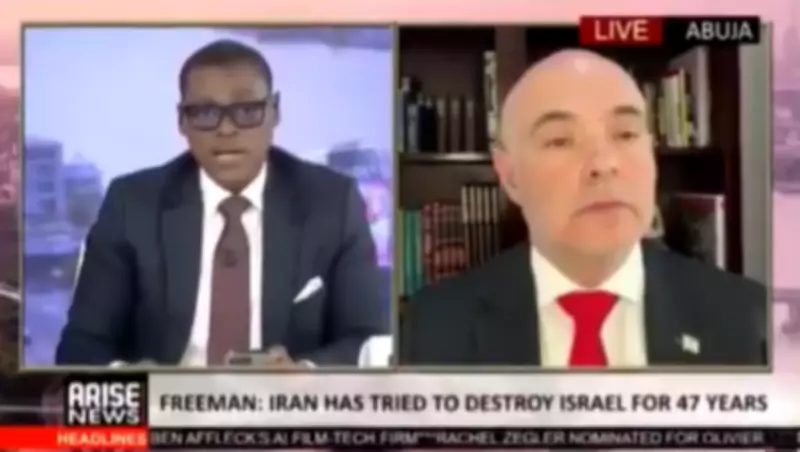
Popular Nigerian broadcaster Rufai Oseni has ignited widespread social media discussion after openly chiding the Ambassador of Israel to Nigeria, Michael Freeman, during a live television broadcast. The incident occurred as Oseni was presenting allegations against Israel amid the ongoing conflict with Iran, leading to a tense exchange where Oseni firmly instructed the ambassador not to interrupt him.
The Viral Television Confrontation
In footage that quickly went viral across social media platforms, Rufai Oseni was listing what he described as alleged crimes committed by Israel. Oseni stated, "I don't expect you to come here to accept that Israel has nuclear weapons, and we're giving you the facts. But it's for you to deflect. Also, you were talking about Israel being a saint in all of this. I mean, we can go back historically, and I can tell you about the King David Hotel bombings..."
At this moment, Ambassador Michael Freeman attempted to interject and address Oseni's remarks. Oseni immediately cut him off, asserting his position with the clear directive, "Do not interrupt me, ambassador. Let me finish," as captured in the widely circulated clip.
Social Media Reactions and Divided Opinions
The interaction has generated significant conversation online, with social media users expressing sharply divided opinions. Many viewers described Oseni's attitude as rude and disrespectful towards a diplomatic representative, arguing that such conduct undermines professional broadcasting standards and international decorum.
Others, however, defended Oseni's approach, stating they saw nothing wrong with how he spoke to the ambassador. These supporters emphasized the importance of allowing journalists to complete their questions and arguments without interruption, particularly when discussing sensitive geopolitical matters. The debate continues to unfold across various platforms, highlighting broader questions about media professionalism and diplomatic interactions in Nigerian broadcasting.
The incident underscores the increasingly contentious nature of international discourse in media settings, where journalists and diplomats navigate complex topics with potentially significant implications for bilateral relations between Nigeria and Israel.