ECOWAS Health Ministers Convene to Tackle Malaria Elimination and Regional Health Challenges
As the second statutory meeting of the 27th Ordinary Session of the Assembly of Health Ministers of the Economic Community of West African States (ECOWAS) commenced in Freetown, Sierra Leone, experts have issued a strong call for enhanced efforts to eliminate malaria across the region. The meeting, organized by the West African Health Organisation (WAHO), serves as a pivotal forum for reviewing health performance, aligning strategies, and formulating actionable recommendations to guide ministerial decisions, with a particular focus on malaria eradication and broader health system strengthening.
Urgent Calls for Coordinated Action Against Malaria
During the opening session, Sierra Leone's Deputy Minister of Health I, Professor Charles Senesie, emphasized the critical need to intensify the fight against malaria, which he described as a persistent and severe public health threat throughout the continent. He urged all participants to leverage this platform to foster stronger cooperation and establish a robust foundation for coordinated regional initiatives aimed at combating the disease effectively.
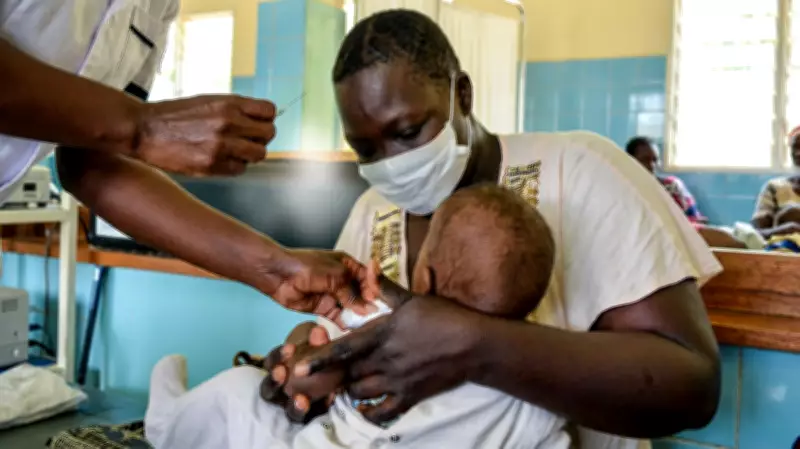
In his address, Dr. Melchior Aïssi, the Director-General of WAHO, highlighted the theme of the Assembly, "Advancing malaria elimination through an integrated regional strategy," which underscores both the magnitude of the challenge and the pressing necessity for collective action. He pointed out that despite some progress, malaria continues to impose a heavy burden on health systems, economies, and vulnerable populations, especially children and pregnant women, across West Africa.
Key Strategies and Recommendations for Regional Health
Dr. Aïssi stressed that achieving malaria elimination in the region cannot be accomplished through isolated national efforts alone. Instead, it requires a coordinated and integrated regional approach. He outlined several critical components for success, including:
- Harmonized strategies across member states to ensure consistency in malaria control measures.
- Continuity of cross-border interventions to prevent the spread of the disease between countries.
- Integrated epidemiological surveillance systems to monitor and respond to outbreaks promptly.
- Sustained and well-coordinated investment, coupled with synchronized implementation over time to maximize impact.
Additionally, the meeting aims to address other pressing health issues, such as epidemic surveillance, preparedness and response mechanisms, regional HIV/AIDS dialogues, and initiatives to combat Lassa fever. Participants are expected to share experiences and develop comprehensive recommendations on these strategic topics to enhance overall public health outcomes in the region.
Optimism for Concrete Outcomes and Future Commitments
Dr. Aïssi expressed optimism that the deliberations during the meeting would yield concrete and measurable commitments aligned with the shared goal of malaria elimination in the sub-region. He emphasized the importance of a comprehensive approach to public health, noting that ongoing challenges require sustained collaboration and innovative solutions. The development and adoption of the Freetown Charter, along with the operationalisation of the regional community health policy, are anticipated to play key roles in advancing these efforts, providing a structured framework for future actions and investments in health across West Africa.