Nigeria Commits N73.4 Billion to Prevent Tuberculosis Drug Shortages
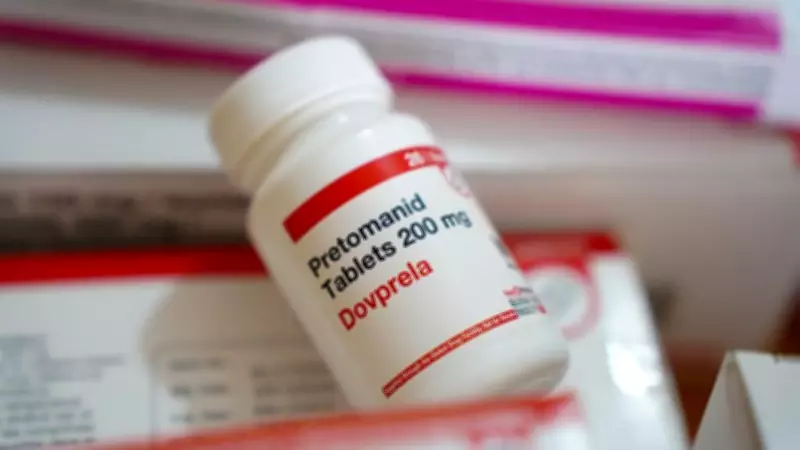
The Federal Government of Nigeria has allocated approximately N73.4 billion for the procurement of tuberculosis (TB) drugs and other essential commodities, aiming to avert stockouts across the country. This significant financial commitment comes as the World Health Organisation (WHO) urges increased domestic funding and stronger community engagement to sustain progress in the fight against TB, which remains a major public health challenge in Nigeria.
Expanding Diagnostic Access and Addressing Funding Gaps
In addition to the funding for drugs, the government is rolling out 1,000 TB near-point-of-care diagnostic equipment, specifically the Pluslife Mini Dock, to remote communities. This initiative ensures molecular-grade testing is available even in the most isolated areas, preventing Nigerians from being left behind due to geographical barriers. Dr. Charles Nzelu, Director of Public Health in the Federal Ministry of Health and Social Welfare, disclosed these plans at a Pre-World TB Day briefing in Abuja.
Dr. Nzelu highlighted that following the withdrawal of funding by major global donors for AIDS, Tuberculosis, and Malaria (ATM) last year, which impacted management worldwide, Nigeria has stepped in with $200 million in state-wide funds to address the gap created by U.S. government cuts. He emphasized proactive measures to prevent drug shortages, noting that some medications previously procured by the Global Fund are no longer available, and projections indicate potential stockouts in the coming months.
TB Burden and Socio-Economic Factors
Dr. Queen Ogbuji-Ladipo, Board Chairman of Stop TB Partnership Nigeria, stated that TB is one of the leading infectious diseases globally, with Nigeria bearing a significant share. The country has the highest TB burden in Africa and ranks sixth worldwide, recording over 500,000 cases annually. She attributed this high incidence to socio-economic factors such as poverty, malnutrition, overcrowding, and joblessness, underscoring that TB is not just a health issue but a socio-economic concern.
WHO's Call for Sustained Investment and Community Action
Dr. Mya Ngon, CLUSTER Lead for Disease Prevention and Control at WHO Nigeria, spoke at a briefing ahead of the 2026 World TB Day, themed 'Yes, We Can End TB! Led by Countries and Powered by People'. While acknowledging progress, she pointed out significant gaps in reaching underserved populations vulnerable to TB infection and poor treatment outcomes. Dr. Ngon stressed that ending TB requires sustained investment, accountability, and collective action, with strong leadership and active community involvement.
She called for financial risk protection measures and enhanced domestic resource mobilization, noting that Nigeria cannot rely solely on external funding as support from the Global Fund may decline in future cycles. WHO remains committed to providing technical guidance and policy support to improve patient outcomes in Nigeria's TB response.