Federal Government Calls on Religious Leaders to Boost Malaria Elimination Efforts
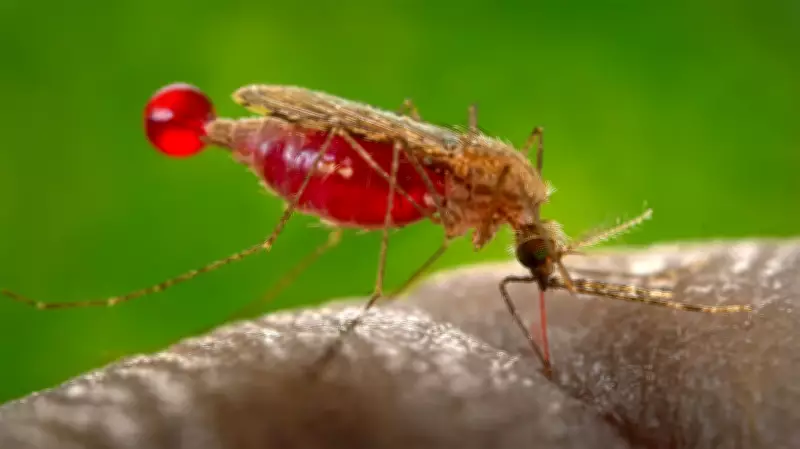
The Federal Government has made a direct appeal to religious leaders across Nigeria, seeking their crucial support to intensify the fight against malaria. This initiative aims to deepen public awareness and foster greater community involvement in curbing the disease, which remains a significant health burden in the country.
Advocacy Visit to Islamic Centre Highlights Collaborative Strategy
Dr Nnena Ogbulafor, the National Coordinator of the National Malaria Elimination Programme (NMEP) at the Federal Ministry of Health and Social Welfare, issued this call during an advocacy visit to the International Centre for Islamic Culture and Education in Abuja. The visit was part of activities commemorating the 2026 World Malaria Day, emphasizing the government's proactive approach to engaging faith-based institutions.
Ogbulafor underscored the pivotal role religious leaders play in influencing public behavior, noting that their guidance from the pulpit can drive widespread adoption of preventive measures and proper malaria management. "As they stand in the pulpit, many of their followers will do what they advise. We are encouraged that religious leaders often guide their followers in the right direction. That is why we are engaging them directly," she explained.
Progress and Challenges in Malaria Control
The engagement provided a platform to brief mosque leadership on advancements in malaria control, alongside persistent challenges. Ogbulafor highlighted encouraging data from the 2025 Malaria Indicator Survey, revealing a notable decline in malaria prevalence in Nigeria. The rate dropped from 22 per cent in 2021 to 15 per cent in 2025, marking approximately a 30 per cent reduction. She attributed this progress to sustained government commitment, support from development partners, and ongoing public health interventions.
"Malaria elimination is achievable," Ogbulafor asserted, urging citizens to rally behind ongoing efforts. "With sustained commitment and collective action, Nigeria can significantly reduce malaria." She urged religious leaders to leverage their platforms to educate worshippers on preventive strategies and promote acceptance of government-led health initiatives.
Faith-Based Organizations Respond with Commitment
In response, Garba Sani, Director of External Relations, Fundraising and Investment at the International Centre for Islamic Culture and Education, Al-Noor Masjid, Abuja, emphasized the necessity for stronger collaboration between government and faith-based organizations in healthcare delivery. He detailed the centre's active involvement in health services, including operating a sickbay clinic and conducting regular medical outreach programmes.
On mosquito net distribution, Sani explained that the centre extends its efforts beyond its premises by deploying outreach teams to underserved communities with limited healthcare access. These teams prioritize distributing treated mosquito nets to women and children, demonstrating a community-focused approach to malaria prevention.
Global Context and Ongoing Challenges
Dr Aminu Umar, Head of Programme Management at NMEP, and Zainab Ibrahim, Programme Manager for the FCT Malaria Elimination Programme, also contributed to the discussion. They noted that World Malaria Day serves as a critical opportunity for global and African leaders to intensify efforts in regions where malaria remains highly prevalent.
Despite recent progress, they highlighted that malaria continues to pose a major public health challenge in Nigeria. The country accounts for about 24 per cent of the global malaria burden, with approximately 68 million cases recorded last year. This underscores the urgency of sustained and collaborative action to further reduce the disease's impact.
This renewed push for religious leader involvement signals a strategic shift towards leveraging community trust and influence to accelerate malaria elimination goals in Nigeria.