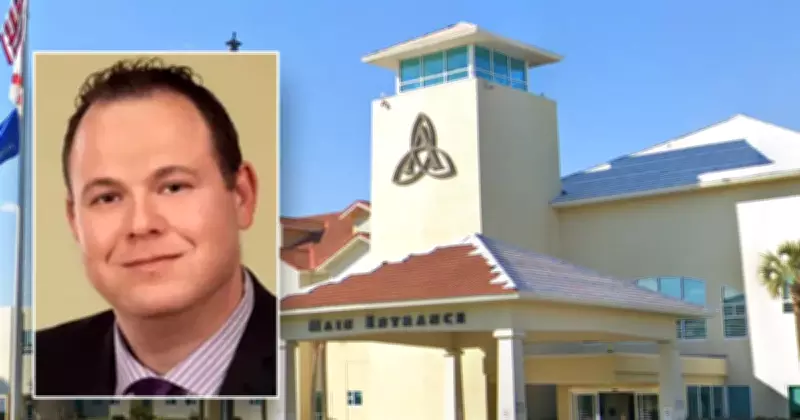
Florida Surgeon Faces Manslaughter Charges After Fatal Surgical Error
A United States surgeon has been formally charged with second-degree manslaughter following a catastrophic surgical error that resulted in a patient's death during what should have been a routine spleen removal procedure. The case has sent shockwaves through the medical community and raised urgent questions about surgical safety protocols and hospital oversight.
The Tragic Sequence of Events
The patient, 70-year-old Bill Bryan from Alabama, initially sought medical attention at Ascension Sacred Heart of the Emerald Coast Hospital in Florida after experiencing severe abdominal pain while visiting his property in Okaloosa County. Medical imaging revealed an enlarged spleen, though no active bleeding was detected at that time. Physicians recommended a splenectomy, a procedure generally considered safe despite its classification as major surgery.
According to court documents and investigative reports, Bryan expressed hesitation about proceeding with the operation immediately and preferred to return to Alabama for additional medical consultation. However, surgeon Thomas Shaknovsky reportedly persuaded him over several days to undergo the procedure at the Florida facility.
The Fatal Surgical Procedure
The surgery was scheduled for a Saturday, a day when hospital staffing is typically reduced. During the operation, complications emerged almost immediately. Dr. Shaknovsky began with a minimally invasive approach but encountered difficulties accessing the spleen, prompting a switch to open surgery.
What followed was a scene of confusion and escalating crisis in the operating room. Witness accounts presented in legal proceedings describe significant bleeding that overwhelmed the surgical team. In what investigators characterize as a catastrophic error, Dr. Shaknovsky mistakenly removed Bryan's liver instead of the spleen.
The 70-year-old patient suffered massive blood loss leading to cardiac arrest. Despite emergency interventions including blood transfusions and resuscitation attempts, medical personnel could not stabilize his condition, and he died as a result of the surgical complications.
Conflicting Accounts and Previous Malpractice History
Following the incident, Dr. Shaknovsky claimed that a ruptured spleen aneurysm caused the excessive bleeding, but this explanation reportedly contradicted observations from other surgical team members present during the procedure. The Florida Department of Health temporarily suspended his medical license for one month while investigations proceeded.
Further scrutiny revealed this was not the surgeon's first serious medical error. In 2023, Dr. Shaknovsky was fined $400,000 after mistakenly removing part of a patient's pancreas instead of the adrenal gland during another surgical procedure. This pattern of errors has intensified concerns about systemic failures in medical oversight and accountability mechanisms.
Broader Implications for Medical Safety
The case has sparked renewed debate about surgical safety standards, particularly regarding procedures performed during weekends with reduced staffing. Medical ethics experts emphasize that while human error can occur in any profession, the medical field requires particularly robust safeguards given the life-and-death consequences of mistakes.
Hospital administrators and regulatory bodies now face increased pressure to implement more stringent verification protocols for surgical procedures, particularly those involving organ removal. The tragedy has also highlighted the importance of patient advocacy and thorough second opinions before consenting to major medical interventions.
As legal proceedings against Dr. Shaknovsky continue, the medical community watches closely, recognizing that this case could establish important precedents for how surgical negligence cases are prosecuted and what accountability measures are implemented to prevent similar tragedies in the future.