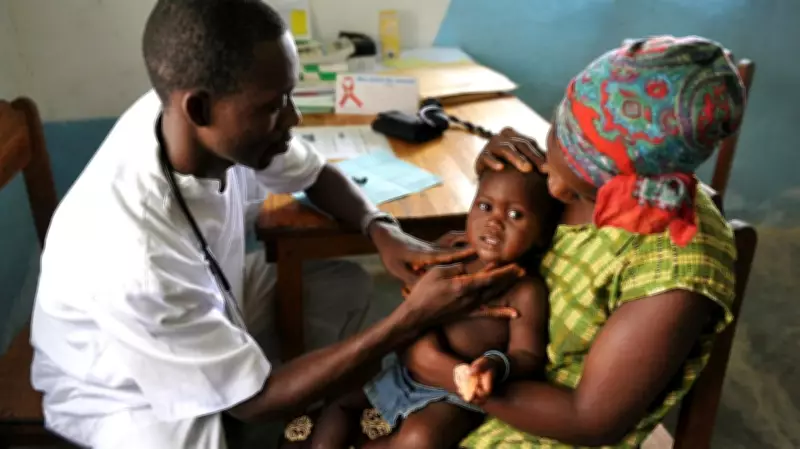
The Federal Government has announced plans to strengthen primary healthcare centres (PHCs) across Nigeria to manage uncomplicated hypertension cases and refer severe complications to higher-level facilities. This initiative aims to address the rising burden of hypertension in the country.
Concerns Over Undiagnosed Hypertension
Government officials expressed concern that millions of Nigerians may be living with hypertension unknowingly, as cases of stroke, heart failure, kidney disease, and sudden deaths continue to increase. Speaking during the 2026 World Hypertension Day in Abuja, Malau Toma, Head of Cardiovascular Diseases and Tobacco Control at the Federal Ministry of Health and Social Welfare, decried widespread myths and misconceptions surrounding the condition. He noted that many Nigerians still attribute hypertension to spiritual attacks rather than seeking proper medical attention.
“Some people believe somebody is spiritually responsible for their hypertension, which is not true. People must understand that this condition can be prevented and controlled through proper medical care and healthy living,” Toma said.
Hypertension as a Silent Killer
Toma described hypertension as a “silent killer” that requires urgent action through regular blood pressure checks, healthier lifestyles, and strict adherence to prescribed medications. He warned against discontinuing medications once blood pressure appears stable, as such actions often trigger life-threatening complications.
“Hypertension is a silent killer. Many people stop taking their drugs once their blood pressure becomes controlled, and that is dangerous. Once medication is abandoned, the blood pressure rebounds and complications such as stroke, heart disease, kidney failure, and blindness can set in,” he warned.
Toma noted that sustained high blood pressure remains a leading cause of non-communicable diseases globally. He urged Nigerians to adopt healthier lifestyles, including regular exercise, reduced salt and fat intake, avoidance of tobacco and excessive alcohol, and increased consumption of fruits and vegetables. He added that the Federal Government has introduced policies, treatment guidelines, and awareness campaigns to improve detection, prevention, and management of hypertension nationwide.
Strengthening Primary Healthcare Centres
Sulaiman Lamurde, Head of the Non-Communicable Disease Unit at the National Primary Health Care Development Agency, said the government has intensified efforts to bring hypertension screening and treatment closer to communities through revitalised PHCs. He disclosed that thousands of health facilities have been upgraded under the Basic Health Care Provision Fund and World Bank-supported programmes to improve access to care.
“Our primary healthcare centres are now better equipped to manage uncomplicated hypertension cases. Awareness is increasing, but we still need Nigerians to use these facilities instead of relying on traditional remedies or prayer houses when serious symptoms develop,” Lamurde said.
He warned that delaying proper treatment often leaves health workers helpless once complications become severe. “We should stop sitting at home, visiting herbalists, or relying solely on spiritual interventions while the disease worsens. Early diagnosis and treatment remain the best defence,” he added.
Regular Blood Pressure Checks Urged
Lamurde urged Nigerians above 18 to check their blood pressure regularly, describing it as the simplest and most effective way to detect hypertension before complications occur. “Every adult should check their blood pressure regularly. For those above 50 or with a family history of hypertension, it should be done more frequently. A normal blood pressure should be below 140 over 90,” he explained. He added that blood pressure checks are offered free in government health facilities nationwide.
Call for Increased Funding and Commitment
Representatives of development partners and civil society organisations called for increased funding and stronger government commitment to tackle hypertension and other non-communicable diseases. Onyekachukwu Osabiku, Senior Technical Adviser for Hypertension Control at Resolve To Save Lives, said hypertension has become a growing public health emergency requiring the same level of intervention and funding as HIV/AIDS, tuberculosis, and malaria.
“We want to see hypertension programmes treated with the same seriousness as HIV and malaria. We need sustainable funding for screening, diagnosis, treatment, and long-term care,” he said. Osabiku disclosed that the Nigerian Hypertension Control Initiative, supported by development partners, is expanding across states with backing from the Federal Ministry of Health. He urged Nigerians to prioritise routine blood pressure checks, noting that hypertension can be effectively controlled when detected early.