FIIRO Issues Dire Warning on Health Risks from Local Grinding Machines
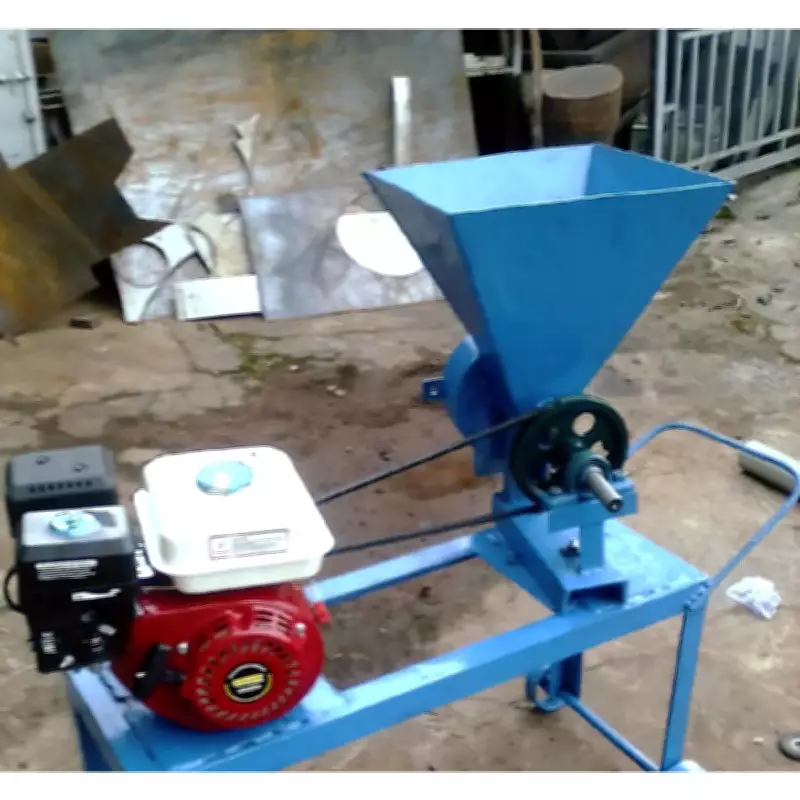
The Federal Institute of Industrial Research, Oshodi (FIIRO) in Lagos has issued a stark public health warning, revealing that the alarming rise in organ failure and cardiovascular diseases across Nigeria may be directly linked to the widespread use of locally fabricated grinding machines for food processing.
Scientific Research Uncovers Heavy Metal Contamination
Dr. Jummai Adamu Tutuwa, the Director-General of FIIRO, disclosed these critical findings in an official statement provided to journalists. The warning is based on comprehensive scientific research conducted by the institute's experts.
A detailed assessment carried out by FIIRO scientists in 2013 discovered that locally manufactured grinding machines used extensively to process common food items—including tomatoes, peppers, onions, melon seeds, and various other staples—contained dangerous traces of multiple heavy metals.
The contamination includes:
- Heavy metals: lead, copper, chromium, nickel, cadmium, and manganese
- Non-heavy metals: calcium, magnesium, zinc, and iron
Dr. Tutuwa emphasized that prolonged consumption of foods contaminated with these metals, particularly in urban areas like Lagos metropolis, may be contributing significantly to increasing cases of cardiovascular diseases and organ failure, affecting even young adults who would otherwise be considered low-risk.
Contamination Exceeds International Safety Standards
The FIIRO research revealed that contamination levels in some instances have surpassed safety standards established by the World Health Organization (WHO) and the Food and Agriculture Organization (FAO). This is especially concerning in regions with heavy traffic congestion and concentrated industrial activities, where environmental pollution exacerbates the problem.
Dr. Tutuwa provided a scientific explanation for the health risks: "Heavy metals, though naturally occurring in the environment, become harmful due to bioaccumulation, non-degradability, and excessive concentration in the food chain." She specifically highlighted cadmium contamination as a serious ecotoxicological concern, given its widespread industrial applications and persistent environmental presence.
FIIRO's Proposed Solutions and Interventions
To address this pressing public health challenge, FIIRO has already taken proactive measures. The institute has designed and fabricated a stainless-steel pepper grinding machine specifically engineered to minimize contamination risks during food processing.
Looking forward, Dr. Tutuwa outlined FIIRO's strategic plan to collaborate with key stakeholders including the National Assembly, the Office of the First Lady, and other relevant organizations. The collaboration aims to promote safer alternatives through comprehensive initiatives involving:
- Mass production of safer grinding equipment
- Nationwide distribution networks
- Continuous monitoring systems
- Regular maintenance protocols
The Director-General stressed that stronger regulation, rigorous enforcement, and extensive public awareness campaigns are essential to effectively curb contamination and reduce the growing national burden of cancer, cardiovascular diseases, and organ failure linked to food processing methods.
This warning comes at a critical time as Nigeria faces increasing healthcare challenges related to non-communicable diseases, highlighting the urgent need for systemic interventions in food safety and processing standards.