Nigerian Study Links Food Processing Machines to Rising Organ Failure and Heart Disease
A groundbreaking investigation by the Federal Institute of Industrial Research, Oshodi (FIIRO) has uncovered a critical link between locally fabricated food processing equipment and the alarming rise in organ failure and cardiovascular diseases across Nigeria. The comprehensive scientific assessment, which examined commonly consumed foods in urban areas, particularly Lagos, has identified significant health risks associated with these widely used machines.
Heavy Metal Contamination in Everyday Foods
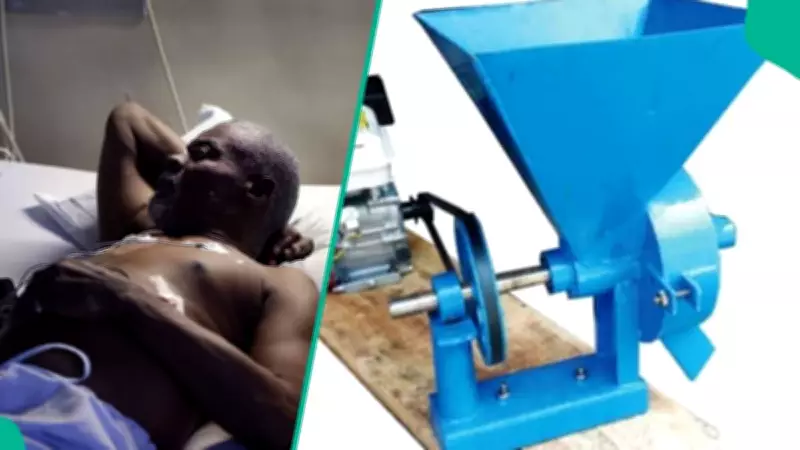
According to Dr. Jummai Adamu Tutuwa, Director-General of FIIRO, the study revealed that locally manufactured grinding machines used for processing tomatoes, pepper, onions, melon seeds, and similar food items contain dangerous traces of harmful metals. The 2013 assessment by FIIRO scientists detected multiple heavy metals in food samples processed with these machines, including:
- Lead
- Copper
- Chromium
- Nickel
- Cadmium
- Manganese
Additionally, non-heavy metals such as calcium, magnesium, zinc, and iron were also identified in concerning quantities. Dr. Tutuwa emphasized that prolonged consumption of foods contaminated by these substances could be directly contributing to the increasing prevalence of cardiovascular diseases and organ failure, even among young adults who might otherwise be considered healthy.
Exceeding International Safety Standards
The contamination problem appears most severe in densely populated urban environments with heavy vehicular movement and industrial activity. Dr. Tutuwa noted that in numerous cases, the detected contamination levels surpassed safety thresholds established by both the World Health Organization and the Food and Agriculture Organization. This environmental exposure creates a compounding effect, where multiple sources of contamination converge to create particularly hazardous conditions for food processing and consumption.
Bioaccumulation Creates Long-Term Health Threats
While some of these metals occur naturally in the environment, they become particularly dangerous due to their tendency to accumulate in the human body and resist degradation within the food chain. Dr. Tutuwa specifically highlighted cadmium as a major ecotoxicological threat because of its extensive industrial applications and its potential to cause significant long-term health damage when ingested repeatedly over time. This bioaccumulation effect means that even small, regular exposures can build up to dangerous levels within the body, leading to chronic health conditions that may take years to manifest.
Innovative Solution and National Response
In response to these alarming findings, FIIRO has developed a stainless-steel pepper grinding machine designed to significantly reduce metal contamination during food processing. This innovation offers a safer alternative to locally fabricated equipment that often utilizes substandard or unsuitable materials. Dr. Tutuwa disclosed that FIIRO plans to collaborate with multiple stakeholders, including:
- The National Assembly
- The Office of the First Lady
- Other key governmental and non-governmental organizations
These partnerships aim to drive mass production, distribution, monitoring, and maintenance of safer food-processing machines across Nigeria. The initiative represents a comprehensive approach to addressing what has become a significant public health concern affecting millions of Nigerians.
Call for Regulatory Action and Public Awareness
Dr. Tutuwa stressed that improved regulation, effective enforcement, and sustained public awareness campaigns are critical components in reducing contamination levels and addressing the rising burden of cancer, cardiovascular diseases, and organ failure across the country. She emphasized that safeguarding food safety remains central to protecting public health and preventing avoidable long-term illnesses nationwide. The findings underscore the urgent need for systemic changes in how food processing equipment is manufactured, regulated, and utilized throughout Nigeria's food supply chain.