US-Funded EpiC Project Initiates Maternal and Child Health Support in Bauchi
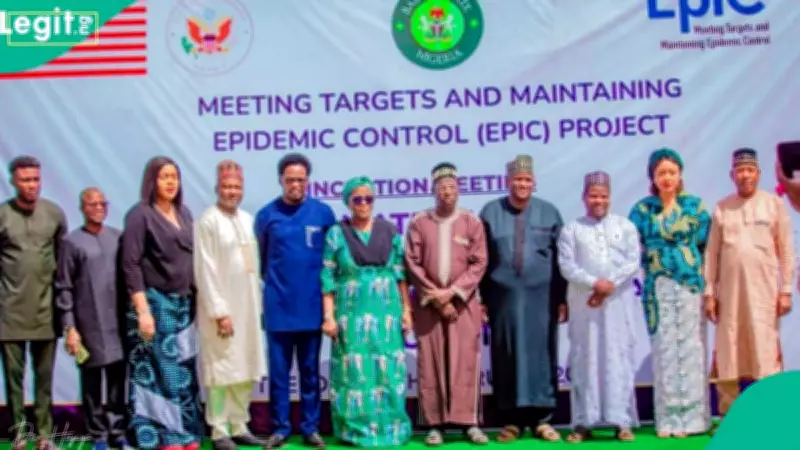
The Meeting Targets and Maintaining Epidemic Control (EpiC) Project, backed by United States funding and implemented by a consortium led by FHI 360, has officially commenced its Maternal, Newborn and Child Health (MNCH), Nutrition, and Global Health Security interventions in Bauchi State. This launch occurred during an inception meeting that gathered officials from the Bauchi State Primary Health Care Development Board, development partners, program coordinators, and technical teams to align strategies and establish a coordinated implementation framework for the project.
State Officials Welcome Critical Health Expansion
At the meeting, Dr. Rilwanu Muhammad, Executive Chairman of the Bauchi State Primary Health Care Development Board, represented the Commissioner for Health, Dr. Sanni Mohammed Dambam, and welcomed the initiative as timely and essential for the state's health priorities. He highlighted that FHI 360, with previous US government support, has assisted Bauchi in HIV, malaria, and maternal health efforts, and this expansion into epidemic control and MNCH will further bolster the state's healthcare system.
Dr. Muhammad noted that the project will be executed across 11 MAMII local government areas for one year in its current phase. Planned activities include training healthcare workers, strengthening oxygen systems, providing essential commodities, and enhancing support for maternal and child health services. He expressed concern over maternal and child mortality trends in certain regions of the state, emphasizing that the EpiC intervention will complement ongoing support from partners like UNICEF and the World Health Organization, while stressing the need for robust coordination among stakeholders.
Project Scope and Strategic Focus Detailed
Dr. Hadiza Khamofu, Project Director of EpiC, expressed gratitude to the United States government for funding the initiative. She explained that the EpiC project, funded by the US Department of State, is an eight-year global award running from 2019 to 2027. Initially focused on tuberculosis and HIV interventions, it has expanded to include COVID-19 response, malaria, nutrition, maternal and child health, and global health security.
The core mandate of EpiC involves supporting HIV/AIDS, Global Health Security, and Maternal, Newborn and Child Health and Nutrition through strong collaboration with government and communities. Dr. Khamofu added that the project prioritizes health systems strengthening, disease surveillance, laboratory support, and capacity building for healthcare workers. In Bauchi, the intervention aims to improve integrated case management of childhood illnesses such as diarrhoea, pneumonia, malaria, and malnutrition, while also strengthening maternal and newborn services. It will support better data collection and utilization, improve supply chains for essential MNCH commodities, and enhance community engagement and risk communication.
Local-Level Planning and Coordination Emphasized
Jummai Inuwa, the State MNCH Coordinator, stated that the inception meeting was organized to sensitize stakeholders on the scope of EpiC's support to Bauchi State and jointly assess current situations and baseline needs. The meeting also served as a platform to present the project's MNCH, nutrition, and global health security implementation strategies, validate the state's coverage areas, and confirm the list of health facilities to be supported in line with the 11 implementing MAMII LGAs and other high-burden areas.
Stakeholders planned to develop an LGA-level rollout plan for MNCH and nutrition activities based on the Sector-Wide Approach Disbursement Linked Indicators (SWAp DLIs) in Bauchi State, guiding effective project implementation.
Partners Commit to Collaborative Efforts
In goodwill messages, Sulaiman Abdu Kirfi, ALGON Director, Dr. Muhammad Sambo Alkali of the Hospital Management Board, and Pharmacist Rabiu Fagge of Gate Foundation commended the initiative and pledged to work closely with EpiC and the state government. They assured their commitment to strengthening health systems, improving service delivery, and engaging communities to promote healthy behaviors, including exclusive breastfeeding and enhanced maternal care practices across Bauchi State.