Guardian Woman Festival Spotlights High Costs and Awareness Gaps in Breast Cancer Fight
The Guardian Woman Festival, currently underway in Lagos, has brought critical attention to the persistent challenges facing breast cancer patients in Nigeria. Experts at the event emphasized that late detection and limited access to treatment continue to drive poor outcomes, with many women presenting at advanced stages of the disease.
Global and Local Breast Cancer Statistics
Breast cancer remains the most commonly diagnosed cancer in women worldwide. According to data compiled by the International Agency for Research on Cancer, the cancer research arm of the World Health Organization, there were an estimated 2.3 million new cases and approximately 685,000 deaths globally in 2020. In Nigeria, these global trends are reflected in local struggles, where financial constraints and insufficient awareness create significant barriers to effective care.
Event Highlights and Expert Insights
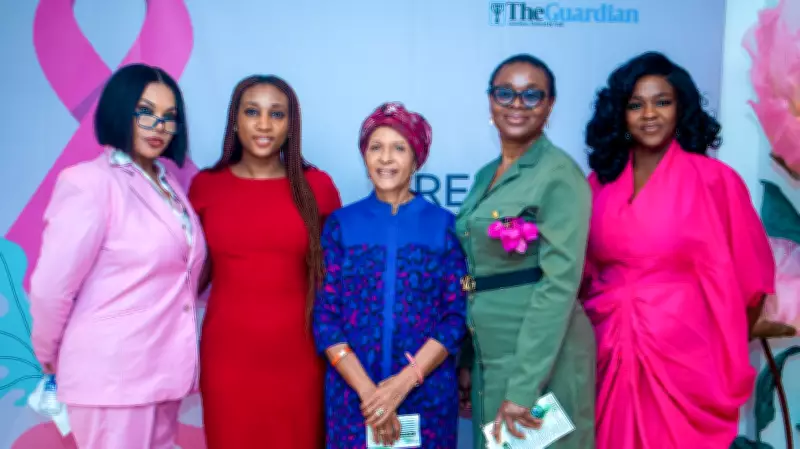
The festival, held at the Federal Palace Hotel and Casino, convened medical professionals and wellness advocates to address knowledge and access gaps. In her welcome address, Chief of Staff at the hotel, Oluyemisi Fajimolu, stressed that early detection is one of the most critical factors in improving survival rates. She noted that detecting breast cancer early can lead to near-total survival, while delayed diagnosis drastically reduces the chances of successful treatment.
Keynote speaker Dr. Amaka Nwigwe expanded on the challenges, identifying financial constraints and limited awareness as primary barriers. "There are a lot of factors limiting access to care," she said. "Many women do not recognize symptoms early, and even when they do, the cost of treatment becomes a major concern." She explained that out-of-pocket payments and weak insurance coverage often discourage women from seeking timely medical attention, leading some to delay hospital visits even after noticing symptoms like lumps.
Addressing Fear and Misinformation
Beyond cost, Dr. Nwigwe highlighted fear and misinformation as major issues. "When you tell someone it is cancer, the first reaction is fear," she noted. "Some believe it is a death sentence, and that affects how quickly they seek help." However, she emphasized that breast cancer is not always fatal, especially when detected early, pointing to improved survival rates in high-income countries due to public education, accessible screening, and better healthcare systems.
Dr. Nwigwe also addressed common myths, including the misconception that breast cancer affects only women, and encouraged women to speak up upon noticing any abnormalities. During an interactive session, participants raised questions about symptoms, diagnosis, and treatment options, with health professionals providing guidance on regular screening and self-examination.
Support and Practical Measures
Pharmacist Princess Okeke was present to educate attendees on medication and patient support, while the publisher of The Guardian, Maiden Alex Ibru, also graced the event. The program concluded with free medical check-ups for attendees conducted by Dr. Adenike Adebisi, reinforcing calls for early detection and regular screening as critical steps in improving breast cancer outcomes in Nigeria.