The Federal Government has introduced new measures to achieve the three targets of the World Health Organisation (WHO) Global Strategy for the elimination of cervical cancer by 2030. Minister of State for Health and Social Welfare, Dr Iziaq Salako, announced this during the flag-off of a cervical cancer screening programme for the Southeast zone in Owerri, Imo State.
WHO Targets for Cervical Cancer Elimination
Dr Salako explained that the global strategy is built on three key targets: by 2030, 90 per cent of girls should be fully vaccinated against Human Papillomavirus (HPV) by age 15; 70 per cent of women should be screened using high-performance tests by ages 35 and 45; and 90 per cent of women diagnosed with cervical disease should receive appropriate treatment and care. He noted that Nigeria has already made significant progress, becoming the first country in the African region to implement a large-scale simultaneous rollout of HPV vaccination for girls under 15 years.
Progress in Vaccination and Screening
According to the minister, over 15 million girls have been vaccinated against HPV, more than triple the number of adolescent girls previously protected against cervical cancer across Africa. Since October 2023, the single-dose HPV vaccine has been integrated into Nigeria’s national routine immunisation programme. Dr Salako described the screening rollout as part of a sustained national response to cervical cancer elimination, stating, “This is an achievement which Nigeria and all of us advocates of cervical cancer prevention should be immensely proud of.”
Institutional Frameworks and Partnerships
In recognition of cancer as a national health priority, the Federal Government established the National Institute for Cancer Research and Treatment (NICRAT) in 2023 to provide a dedicated institutional framework for research, policy, and treatment. A National Taskforce on Cervical Cancer Elimination was created in October 2024, and NICRAT, in collaboration with stakeholders, launched the National Guidelines for Cervical Cancer Screening in 2025 to standardise practices nationwide. Dr Salako said the goal is to vaccinate eight million adolescent girls and screen eight million women annually, supported by harmonised, evidence-based operational guidelines across Nigeria’s healthcare system.
Implementation in Imo State and Beyond
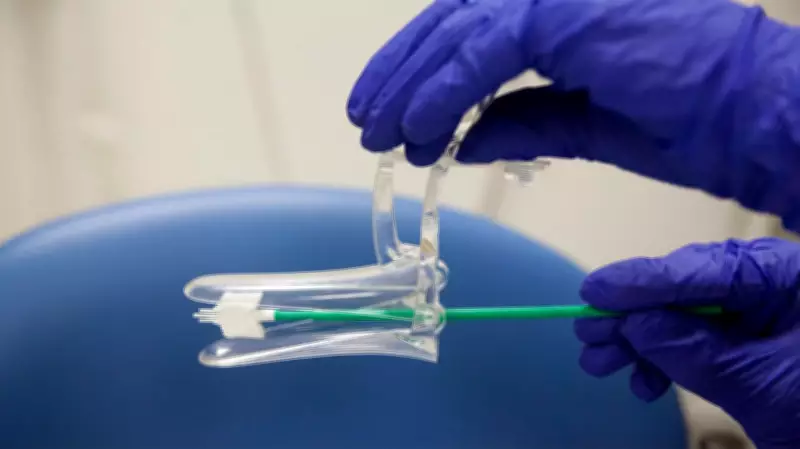
The first phase of implementation in Imo State will focus on providing cervical cancer screening using high-performance methods across selected health facilities and communities. The initiative is designed not as a one-off intervention but as the foundation for a permanent and scalable screening infrastructure, strengthening service delivery, data systems, community engagement, and referral pathways. The minister also presented the National Strategic Cancer Control Plan (NSCCP) 2026–2030, describing it as a comprehensive framework outlining targets, resources, and implementation structures for cancer control nationwide.
Dr Salako commended First Lady Senator Oluremi Tinubu for donating N1 billion to the National Cervical Cancer Taskforce, and acknowledged the support of the Imo State Government, development partners, and traditional and religious leaders. Imo State Governor, Senator Hope Uzodimma, emphasised the importance of health in national development and urged community leaders, market women, and civil society groups to intensify awareness campaigns to encourage women to access screening services. His wife, Chioma Uzodimma, expressed optimism that the programme would expand access to screening, improve early detection, strengthen referral systems, and build sustainable capacity within the health sector.
Technical Coordination and Future Plans
Director-General of NICRAT, Prof. Usman Aliyu, said cervical cancer remains a major public health burden in Nigeria despite being preventable and treatable when detected early. He stated that the institute aims to provide strategic leadership and technical coordination for cancer control, noting that the current intervention targets screening at least 10,000 women in Imo State while strengthening capacity for routine services. Chairman of the National Taskforce for Cervical Cancer Elimination Initiative, Prof. Isaac Adewale, disclosed that the first rollout will screen 60,000 women across six states: Imo, Niger, Ogun, Bauchi, Rivers, and Sokoto, before expanding nationwide. He said the programme would gradually evolve into local council and primary healthcare-based HPV screening services. Chairman of the National Implementation Committee, Prof. Ikechukwu Ikpeze, said the flag-off followed months of technical planning and collaboration, and will begin in selected pilot states across Nigeria’s geo-political zones.
Call for Sustained Commitment
In her goodwill message, Senior Advisor to the Health Minister on Women’s Health and Cancer Advocacy, Dr Zainab Bagudu, urged sustained political and financial commitment, stressing that eliminating cervical cancer requires long-term investment and collective action.