Nigerian Oncologists Secure Partnership to Deploy Rapid Diagnostic Technology for Childhood Cancer
In a significant development for paediatric healthcare in Nigeria, paediatric oncologists have established a crucial partnership with United States-based collaborators. This collaboration aims to deploy an innovative diagnostic technology that can dramatically reduce testing timelines for childhood cancer from several weeks to just 48 hours. The initiative is expected to provide at least 2,000 Nigerian children with access to this advanced diagnostic service, which will significantly accelerate diagnosis, enable faster treatment decisions, and ultimately improve survival outcomes for young patients.
Lagos State's Comprehensive Strategy to Combat Childhood Cancer
This groundbreaking announcement was made during the 16th Biennial Congress of the International Society of Paediatric Oncology (SIOP) Africa, which was co-hosted by the Dorcas Cancer Foundation (TDCF) and the Nigerian Society of Paediatric Oncology in Lagos. The development aligns with the Lagos State Government's multi-pronged strategy to address rising childhood cancer cases, enhance survival rates, and strengthen overall healthcare delivery systems across the state.
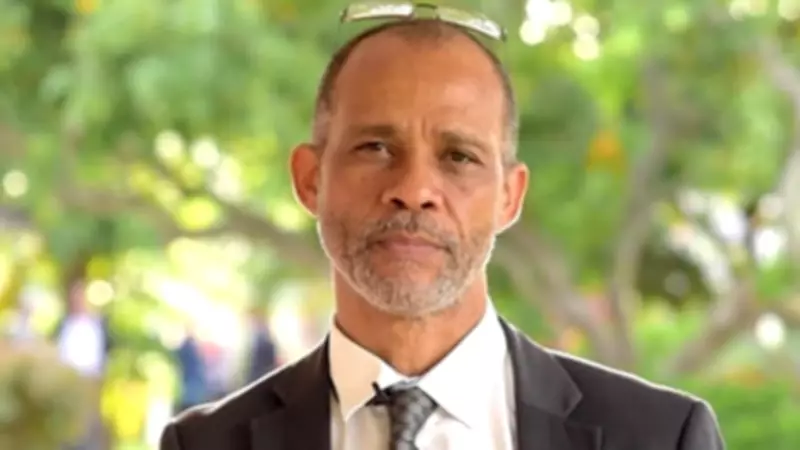
Lagos State Governor, Babajide Sanwo-Olu, represented by the Commissioner for Health, Professor Akin Abayomi, highlighted the current cancer burden in Nigeria. He revealed that the country currently has an estimated 270,000 people living with cancer, with approximately 120,000 new cases recorded annually. Despite these numbers, survival rates continue to lag behind global targets established by the World Health Organisation.
Governor Sanwo-Olu emphasized that survival outcomes are directly linked to the availability of dedicated cancer institutions. He pointed out that Lagos, with an estimated population of 30 million residents, has fewer specialized healthcare facilities compared to smaller cities such as Johannesburg in South Africa. To address this critical gap, the state government is undertaking several major healthcare infrastructure projects.
Major Healthcare Infrastructure Developments in Lagos
The governor disclosed that Lagos is currently constructing a 150-bed, purpose-built Massey Children's Specialist Referral Hospital, which will serve as the apex centre for paediatric care throughout the state. This hospital will provide advanced subspecialty services and function primarily as a referral centre for complex and critical childhood conditions. It will receive referrals from over 300 primary healthcare centres, thousands of private hospitals, and dozens of general hospitals across Lagos.
In addition to the children's hospital, the state is developing the Lagos State Comprehensive Cancer and Diagnostics Centre to address existing gaps in oncology care. This centre will offer end-to-end services, including advanced diagnostics, molecular testing, surgical oncology, chemotherapy, and radiation therapy. Furthermore, plans are underway to establish a stand-alone University of Medicine and Health Sciences focused on training healthcare professionals across various disciplines, with an expected annual output of approximately 300 graduates.
Governor Sanwo-Olu also revealed that Lagos is implementing the Smart Health Information Platform (SHIP) to integrate all public health facilities and improve data collection for planning and resource allocation. The digitalization process is already 50 percent complete and is expected to cover all public health facilities within the next six months.
Expert Perspectives on Childhood Cancer Challenges in Africa
Dr. Adedayo Joseph, Chair of the Scientific Committee for the conference and Founder of the Dorcas Cancer Foundation, highlighted the stark disparities in childhood cancer survival rates between high-income countries and low- to middle-income nations. While survival rates exceed 90 percent in high-income countries, they remain at just 20 to 30 percent in many African countries, including Nigeria.
Dr. Joseph, who also heads Paediatric Radiation Oncology at Lagos University Teaching Hospital (LUTH), explained that the conference brought together global and local scientists, clinicians, survivors, advocates, funders, and policymakers, all united in their focus on improving survival rates for children with cancer across Africa. "We engaged partners from the U.S. who approved onboarding at least 2,000 Nigerian children onto a new diagnostic technology that reduces testing timelines from weeks to 48 hours. That is one of the key outcomes achieved within the first 48 hours of this conference," she stated.
The expert further noted that Nigeria has joined the World Health Organisation's Global Initiative for Childhood Cancer, supported by the recently launched National Cancer Control Plan by the Federal Ministry of Health. This marks the first time paediatric oncology has received such prominence in national policy. "Children can be cured of cancer if they have access to quality medicines, radiation and surgery. Every child saved represents 40 to 60 years of life restored to the community and the economy," Dr. Joseph emphasized.
Call for Increased Investment and International Collaboration
Dr. Jennifer Geel, President of SIOP Africa, noted that childhood cancer is largely curable, with survival rates of up to 80 percent achievable using existing technology and treatment protocols. However, she expressed deep concern that survival rates in many African countries remain as low as 20 percent.
Dr. Geel acknowledged that Africa possesses skilled medical professionals and the required expertise, but stressed that governments must invest more substantially in healthcare systems. She pointed out that treatment remains prohibitively expensive for many families, and without health insurance or government support, numerous patients are unable to continue their care.
The SIOP Africa President emphasized the critical importance of collaboration among African countries and international partners to improve outcomes. She described conferences like the SIOP Africa Congress as essential platforms for knowledge sharing and capacity building. Dr. Geel also called for stronger health system audits, improved patient tracking mechanisms, and enhanced diagnostic accuracy to ensure more children are identified and treated at earlier stages of their disease.