Government and Partners Power 371 Rural Health Centers with Solar Energy
The Federal Government of Nigeria has received 371 solar systems to energize Primary Health Centres (PHCs) nationwide, marking a significant step in bolstering primary healthcare delivery. This solarisation initiative, backed by Gavi, the Vaccine Alliance and UNICEF in partnership with the National Primary Health Care Development Agency (NPHCDA), aims to upgrade medical services in previously off-grid locations.
Transforming Healthcare in Remote Communities
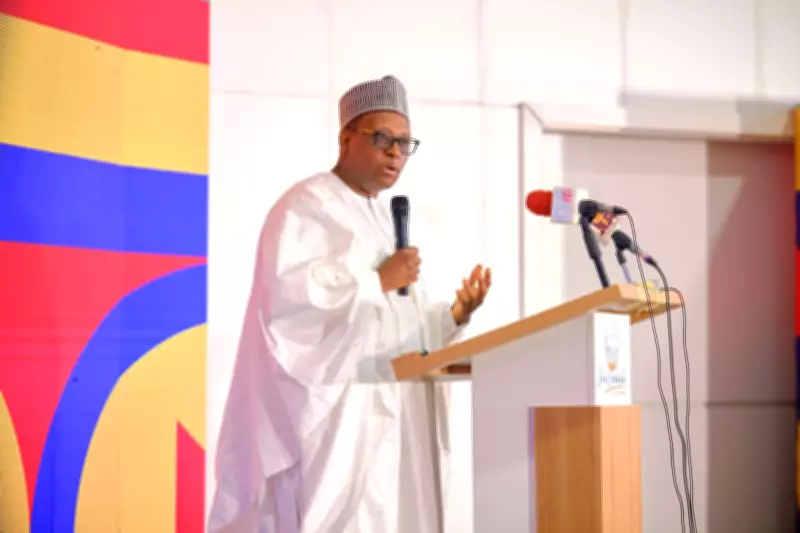
The project is set to revolutionize vaccine storage and maternal healthcare services in remote communities, ensuring that essential care reaches hard-to-access areas. At a handover ceremony in Abuja, the Coordinating Minister of Health and Social Welfare, Prof. Muhammad Ali Pate, emphasized that this effort is a cornerstone of the Health Sector Renewal Investment Initiative under the Bola Tinubu administration.
He highlighted the intervention as a testament to the power of strategic partnerships in tackling grassroots health challenges. Reliable electricity, he noted, will enhance vaccine potency through improved cold-chain systems, facilitate digital health reporting, and create better working conditions for health workers in rural settings.
Revitalizing Health Infrastructure
Prof. Pate revealed that over 4,000 PHCs across the country have been revitalized as part of ongoing health sector reforms. Earlier, the Executive Director of the NPHCDA, Dr. Muyi Aina, explained that the selected centres span 16 states and the Federal Capital Territory, focusing on zero-dose communities where many children have missed routine immunizations.
Dr. Aina detailed that the solar installations have elevated these facilities to "Level Two" status, providing consistent electricity, water, sanitation, and trained personnel to deliver comprehensive care. He added that nearly 2,600 of the targeted 4,000 PHCs have been completed, alongside investments in medical supplies and cold-chain infrastructure.
International Support and Impact
In a goodwill message, Edna Harimenshi, a representative from Gavi, praised the project as evidence of Nigeria's leadership in strengthening healthcare systems. She pointed out that the $9 million investment will benefit more than 115 million Nigerians, supporting safer deliveries, improved emergency care, and enhanced service delivery in rural communities.
Harimenshi also underscored Nigeria's progress in immunization, noting that coverage for three doses of the DTP vaccine rose from 27 percent in 2001 to 67 percent in 2024. Similarly, UNICEF Representative Wafa Abdulateef stated that the initiative will significantly boost healthcare delivery in underserved areas.
She commended frontline health workers for their dedication and expressed confidence that improved power supply will expand access to life-saving vaccines for children, furthering public health goals.