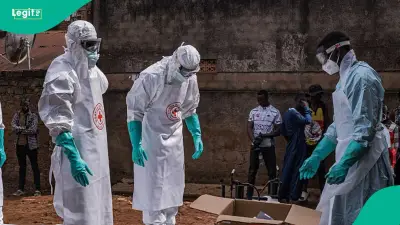
World Health Organization Endorses Revolutionary Twice-Yearly HIV Prevention Injection for Nigeria
The World Health Organization has introduced groundbreaking new HIV prevention guidelines, formally recommending twice-yearly injectable lenacapavir as an additional pre-exposure prophylaxis option. This development represents a significant advancement in global HIV prevention strategies, with clinical trials demonstrating near-complete protection against the virus.
Nigeria's HIV Landscape and the Urgent Need for New Solutions
For Nigeria, where approximately 1.9 million people currently live with HIV, these new guidelines present both tremendous opportunities and pressing questions about accessibility, equity, and healthcare system readiness. While Nigeria has made real progress in HIV treatment access, new infections continue to occur, particularly among young people and key vulnerable populations.
National adult HIV prevalence is estimated at 1-1.4% among adults aged 15-49 years, but risk varies dramatically by age, gender, and geographical location. Reports indicate that young women aged 20-24 are more than three times as likely to be living with HIV as young men of the same age. The South-South and North Central zones show higher prevalence rates, with Akwa Ibom, Benue, and Rivers states identified as particularly high-burden areas.
How Lenacapavir Differs from Existing Prevention Methods
Lenacapavir represents a potential paradigm shift in how HIV protection can be delivered to those most at risk. Unlike daily oral PrEP medications, which can be challenging to maintain due to stigma, disclosure concerns, and pill fatigue, lenacapavir is administered as a subcutaneous injection every six months.
In the PURPOSE 1 clinical trial, researchers recorded zero HIV infections in the lenacapavir group. The PURPOSE 2 trial showed only two infections among participants receiving lenacapavir, significantly fewer than in comparison groups. These exceptional results position lenacapavir among the most effective HIV prevention tools currently available worldwide.
Accessibility and Equity Challenges in Nigeria
The World Health Organization has emphasized that the true test lies not in whether lenacapavir works scientifically, but whether it can be delivered at scale, equitably and sustainably, within Nigeria's healthcare systems. This requires ensuring accessibility, affordability, confidential services, and targeted delivery to those at highest risk without stigma or unnecessary delays.
The twice-yearly dosing schedule offers practical advantages by potentially improving adherence, protecting patient privacy, and reducing reliance on daily pill regimens. However, it also introduces new healthcare delivery demands, including appropriate testing, counseling, safe injection administration, and follow-up care.
Combination Prevention Approach and Pricing Information
WHO has positioned lenacapavir as an additional choice within a comprehensive combination prevention approach, alongside existing options like oral PrEP, long-acting cabotegravir, and the dapivirine ring. The organization stresses that choice matters significantly, particularly for populations not well served by current prevention methods.
In a significant development, a Nigerian doctor recently shared pricing information on social media platform X, revealing that lenacapavir has been substantially subsidized in Nigeria. According to the doctor's post, while the medication would typically cost approximately $28,000 per year (around 40 million naira) without subsidies, it has been reduced to approximately $40 (about 58,000 naira) through government and stakeholder interventions.
The six-month administration schedule could potentially boost uptake and persistence among at-risk populations, but successful implementation will require careful planning, adequate healthcare infrastructure, and continued commitment to reducing HIV transmission across Nigeria.