A leading heart specialist in Gombe State has issued a stark warning to Nigerian parents, stating that the high sugar content in popular children's beverages is setting the stage for a future epidemic of heart disease among the youth.
The Hidden Danger in School Lunch Boxes
Dr. Abubakar Sani, a consultant cardiologist at the Federal Teaching Hospital in Gombe, spoke exclusively with the News Agency of Nigeria (NAN) on Monday, January 13, 2026. He highlighted a troubling trend where many parents routinely pack sugar-sweetened drinks in their children's school meals, unknowingly compromising their long-term health.
"Many parents regularly include numerous sugary juices and other sugar-sweetened beverages (SSBs) in their children's school lunch, which are unhealthy for them," Dr. Sani stated. He emphasized that this common practice directly contributes to severe health risks, including obesity and aggressive tooth decay.
Long-Term Health Consequences for Young Nigerians
The cardiologist explained that children who consume large quantities of these drinks face a significantly higher likelihood of developing serious non-communicable diseases as they grow older. The primary concerns he identified are:
- Heart Disease: Early damage to the cardiovascular system.
- Hypertension: Development of high blood pressure.
- Type 2 Diabetes: Impaired insulin function from a young age.
Dr. Sani connected this warning to the broader, rising prevalence of these conditions across Nigeria, making it imperative to address dietary habits during childhood.
A Call for Parental Action as Schools Resume
With schools reopening nationwide, Dr. Sani sees a critical opportunity for change. He strongly advises parents to take two concrete steps:
- Drastically reduce or eliminate sugary drinks from home environments.
- Stop including them in lunch packs prepared for school.
"I advise parents to cut down on sugary drinks for their children, especially when going to school and keeping the drinks out of the home too," he added. His primary recommendation for keeping children hydrated is simple and cost-effective: prioritize water, which he stressed remains the healthiest and most essential option.
What Counts as a Sugary Drink?
Clarifying the scope of the problem, Dr. Sani referenced the World Health Organisation (WHO) definition. Sugar-sweetened beverages (SSBs) encompass a wide range of drinks containing free sugars, including:
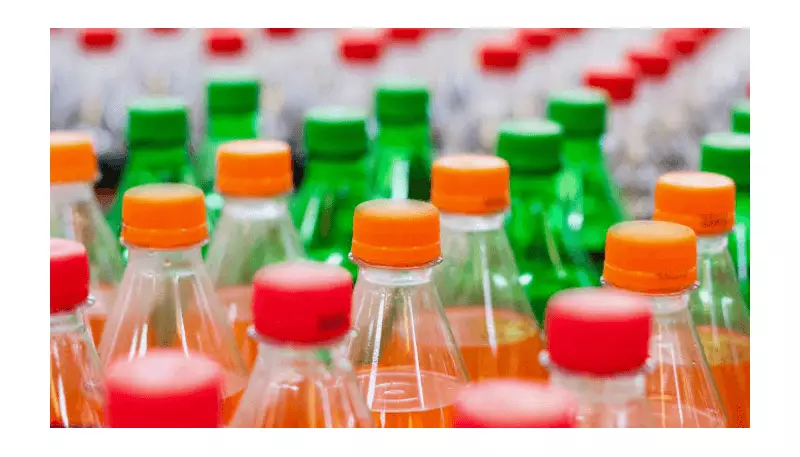
- Carbonated and non-carbonated soft drinks (sodas).
- Fruit juices, drinks, and flavoured waters.
- Energy drinks, sports drinks, and powdered concentrates.
- Ready-to-drink teas, coffees, and flavoured milk drinks.
The WHO maintains that these drinks offer no nutritional benefit and are not a necessary or desirable component of a healthy diet. Dr. Sani's warning serves as a crucial reminder for Nigerian families to scrutinize drink labels and make healthier choices to safeguard their children's future well-being.