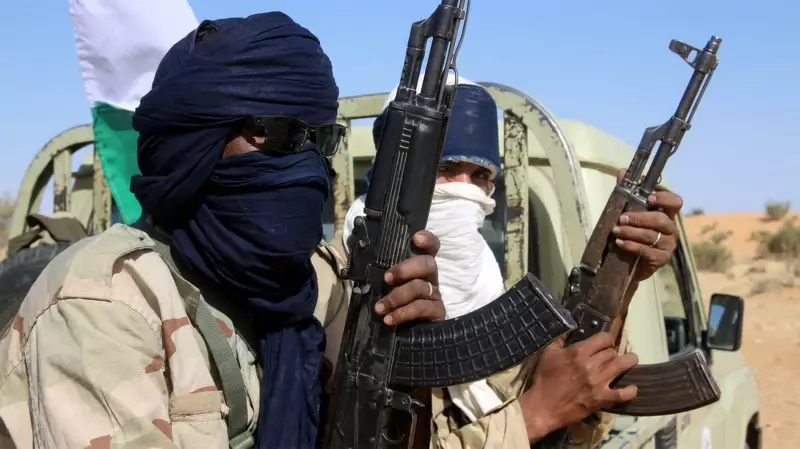
In a brutal assault that has sent shockwaves through the state, armed bandits attacked a wedding convoy in Katsina State, leaving a trail of death and abduction. The incident underscores the persistent security challenges in the region, even as the state government defends a controversial prisoner swap initiative aimed at fostering peace.
Wedding Celebration Turns into Nightmare
The attack occurred on the night of Sunday, 11 January 2026, in the Unguwar Nagunda Community, located within the Kankara Local Government Area. According to reports from security sources and residents, the gunmen opened fire on the wedding party's convoy, creating widespread panic.
The assault resulted in the death of at least two individuals, while several others sustained injuries. Among those injured was the bride herself. Furthermore, an unspecified number of wedding guests were forcibly taken away by the assailants during the chaos.
A local security source revealed that the community was thrown into disarray by the sound of heavy gunfire. "As of this morning (yesterday), families are still trying to confirm how many people were abducted," the source stated, highlighting the confusion and anguish gripping the area. Efforts to get an official statement from the Katsina State Police Command were unsuccessful, as the Public Relations Officer, DSP Abubakar Sadiq, did not respond to calls or messages at the time of reporting.
Government Defends Controversial Bandit Swap Deal
This violent episode took place against the backdrop of a heated public debate regarding the state government's decision to release detained suspected bandits. The government had recently approved the release of 70 suspects from custody as part of a peace agreement with repentant bandits.
Commissioner for Information, Salisu Bala, provided clarification, describing the action as a "swap deal" following a peace pact with repentant bandits. He explained that some traditional leaders had approached the government to facilitate the release, arguing that the peace deal had already yielded positive results.
"The peace deal has yielded positive results, with normal activities like farming having resumed full-time in the vulnerable council areas," Bala stated. He urged public support for the government's efforts and cautioned against politicizing the swap, which he likened to a normal practice in conflict resolution scenarios.
Echoing this sentiment, the Commissioner for Internal Security and Home Affairs, Nasir Muazu, had earlier confirmed that the release was part of an agreement reached during peace talks between repentant bandits and security-prone communities. The government claims this deal has previously led to the release of at least 1,000 captives held by bandits in the state.
Public Outcry and Lingering Security Concerns
However, the government's strategy has faced significant criticism from various quarters. Critics have expressed deep concern over the release of individuals accused of heinous crimes, including murder, rape, and plunder, against innocent residents over the years.
The attack on the wedding convoy in Kankara starkly illustrates the fragile and complex security situation. It raises urgent questions about the efficacy of peace deals when violent attacks continue to disrupt the lives of ordinary citizens. The incident serves as a grim reminder that the path to sustainable peace in Nigeria's bandit-affected regions remains fraught with danger and uncertainty.
The people of Unguwar Nagunda and surrounding communities are now left to mourn their dead, care for the wounded, and hope for the safe return of their abducted loved ones, all while grappling with the broader implications of the state's security policies.