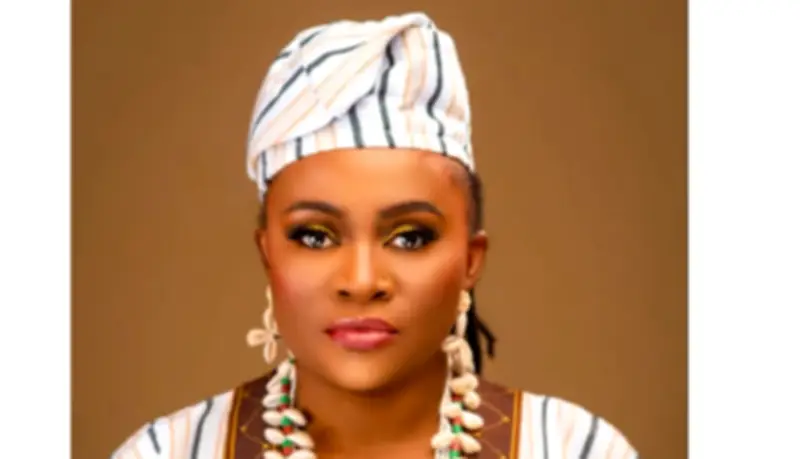
In Nigeria, a quiet revolution is unfolding in maternal health as more women turn to doulas for support during pregnancy, childbirth, and the postpartum period. This shift reflects a growing recognition that childbirth is not only a medical event but also a deeply emotional and psychological journey. Certified labour and postpartum doula Osunlolu Abimbola, who is also a wellness educator and founder of A3 Botanical World, is at the forefront of this movement, helping to demystify the profession and expand its acceptance.
What Is a Doula? Redefining Birth Support
Until recently, the term "doula" was unfamiliar to most Nigerians. However, today, expectant mothers are increasingly seeking their services, and more women are enrolling in doula training programs. Unlike doctors, nurses, or midwives, doulas do not diagnose illnesses, prescribe medication, or deliver babies. Instead, they offer physical, emotional, and educational support throughout the childbirth continuum, ensuring that mothers feel informed, confident, and supported.
Abimbola, who spoke with Premium Times, emphasizes that many women are awakening to the fact that pregnancy is as much an emotional experience as it is a medical one. While hospitals play an indispensable role in ensuring safe deliveries, many mothers desire a companion who stays with them throughout the journey, answering questions, offering reassurance, and helping them prepare for life after childbirth.
Why More Women Are Embracing Doulas
Abimbola attributes the rising acceptance of doulas to a broader cultural shift towards holistic maternal care. "Women don't just need medical care," she explains. "They also need someone who can support them emotionally, educate them, advocate for them where necessary, and remind them that they are not alone." She adds that motherhood should not be viewed as an event that begins in labour and ends after delivery; it is a continuous process that requires sustained support.
This perspective resonates with many Nigerian women who have historically relied on family elders and traditional birth attendants for emotional guidance. Doulas, in a modernized form, fill this gap, offering professional, non-medical support that complements clinical care.
Blending Modern Care with Indigenous Knowledge
For Abimbola, holistic well-being means integrating the strengths of modern maternal care with indigenous wellness practices. She argues that healthcare should not force women to choose between conventional medicine and traditional knowledge; rather, both can complement one another when applied responsibly. This philosophy shapes her work at A3 Botanical World, where she combines professional doula practice with wellness education and indigenous botanical knowledge.
Her journey reflects this balance. In 2020, she completed an apprenticeship in Medical Herbs and Research under the Agbagba Herbs Research Centre in Ogun State. Three years later, she obtained her Labour and Postpartum Doula Certification from Blooming Lotus Birthing Service, which provided internationally recognised training in childbirth support. Today, she uses both experiences to educate women about pregnancy, postpartum recovery, and holistic well-being.
Growing Influence Through Digital Platforms
Beyond individual consultations, Abimbola has built a robust digital community, attracting more than 300,000 followers across TikTok, Facebook, and Instagram, and generating over two million engagements. Through educational videos and wellness content, she discusses motherhood, spirituality, intentional living, and maternal well-being, helping to demystify doula care for audiences who may be hearing about it for the first time.
Her online presence has proven instrumental in normalising doula services, especially among younger, tech-savvy Nigerian women who seek information and support through social media. By sharing real-life experiences and practical advice, she bridges the gap between traditional practices and modern expectations.
Beyond Childbirth: The Welcome Home Retreat
Perhaps the clearest expression of her philosophy is the Welcome Home Retreat, an intimate wellness experience organised through A3 Botanical World. Designed for just 11 participants per cohort, the retreat combines meditation, herbal wellness, meaningful conversations, and reflection, encouraging participants to reconnect with themselves. For Abimbola, the message is simple: caring for women should not end when a baby is born. It should continue long after childbirth, recognising that a mother's emotional, mental, and spiritual well-being is just as important as her physical health.
The retreat underscores a growing trend in Nigeria towards comprehensive maternal care that addresses the whole person, not just the biological aspects of childbirth.
Impact on Maternal Health Outcomes
The increasing uptake of doula services has the potential to improve maternal health outcomes in Nigeria, which currently has one of the highest maternal mortality rates in the world. While doulas are not medical professionals, their presence has been linked to reduced anxiety, shorter labours, and lower rates of intervention, according to global studies. In a country where the healthcare system is often overstretched, doulas provide a layer of support that can enhance the overall birth experience.
Abimbola's work, both online and offline, is contributing to this positive change. By educating women about their options and advocating for holistic care, she is helping to create a new generation of mothers who are informed, empowered, and supported throughout their motherhood journey.
Conclusion
As Nigeria's maternal health landscape evolves, the role of the doula is becoming increasingly vital. Osunlolu Abimbola's efforts exemplify how blending modern and traditional practices can meet the diverse needs of mothers. With growing awareness and acceptance, doula care is poised to become an integral part of the Nigerian childbirth experience, ensuring that no woman feels alone during one of life's most transformative events.