The United Nations Children's Fund (UNICEF) has issued a stark warning that 1.8 million children could die from AIDS-related causes by 2040 if global efforts to combat HIV among the young are not urgently scaled up. This alarming projection comes amidst shrinking funding and critical gaps in essential health services.
A Looming Crisis for Children and Adolescents
According to UNICEF-UNAIDS modelling released ahead of World AIDS Day, the situation is dire. The agency stressed that if the coverage of HIV programmes is halved, the consequences would be catastrophic. An additional 1.1 million children could acquire HIV and another 820,000 could die by 2040, bringing the total projected toll to three million new infections and 1.8 million deaths among children.
Even if current service levels are maintained, the slow pace of progress means nearly two million new infections and close to one million child deaths are still expected. The data from 2024 alone is sobering: 150,000 adolescents aged 15 to 19 acquired HIV. This highlights a widening gap in access to care, with girls in sub-Saharan Africa bearing a disproportionate burden, accounting for 85% of new infections in the region.
Global HIV Response at a Crossroads
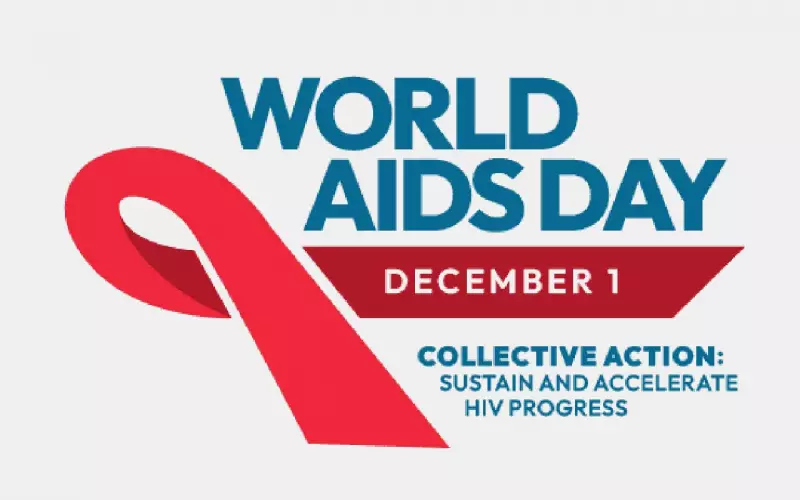
The World Health Organisation (WHO), aligning with the World AIDS Day theme 'Overcoming disruption, transforming the AIDS response', has called for renewed political commitment. The WHO warned that the global HIV response is at a critical juncture, with service disruptions increasing risks for the most vulnerable.
The global statistics for 2024 paint a grim picture:
- 40.8 million people were living with HIV.
- 630,000 people died from AIDS-related illnesses.
- 1.3 million people newly acquired the virus.
- Sub-Saharan Africa remains the epicentre, home to nearly 65% of all people living with HIV.
UNICEF's latest 2024 data reveals the specific impact on the young. 120,000 children aged zero to 14 years acquired HIV, and 75,000 died from AIDS-related causes—a rate of about 200 child deaths every single day.
An Urgent Call to Protect Young Lives
Anurita Bains, UNICEF Associate Director of HIV and AIDS, stated that progress in ending AIDS in children is now in serious jeopardy due to abrupt global funding cuts. "Countries moved quickly to mitigate the impact of funding disruptions, but without focused action, decades of gains risk being reversed and millions of young lives could be lost," Bains cautioned.
Her concern was echoed by Dr. Jean Kaseya, Director General of the Africa Centres for Disease Control and Prevention (Africa CDC), who emphasized the need for African leaders to shape the continent's health future through stronger institutions and sustainable financing.
A major barrier to saving lives is the disparity in treatment access. UNICEF noted that only a little more than half of children living with HIV are receiving life-saving antiretroviral therapy, compared to nearly 80% of adults. This leaves an estimated 620,000 children without access to the treatment they need.
In response, UNICEF is urging governments and partners to take decisive action: protect HIV services for mothers and children, strengthen the prevention of mother-to-child transmission, expand paediatric treatment, and ensure predictable funding through innovative mechanisms. The future of millions of children across Nigeria and sub-Saharan Africa depends on it.