Putin Launches Ambitious Anti-Ageing Vaccine Project
Russian President Vladimir Putin has ordered scientists to develop what officials describe as the world's first anti-ageing vaccine, as Moscow invests billions into longevity research. The treatment reportedly targets the RAGE receptor linked to cellular ageing. Russia has committed over $26 billion to the broader biotechnology and longevity project. Officials hope production could begin between 2028 and 2030 if testing succeeds.
Russian President Vladimir Putin has ordered scientists to accelerate work on what Russian officials are calling the world's first anti-ageing 'vaccine,' a controversial biotechnology project aimed at slowing cellular ageing and extending human lifespan. The project forms part of Russia's massive 'New Technologies for Health Preservation' national programme launched in 2025, with a reported budget exceeding 2 trillion rubles, more than $26 billion.
Scientific Details and Goals
According to Russian Deputy Science Minister Denis Sekirinsky, researchers are developing a gene-therapy-based treatment targeting the RAGE receptor, a cellular mechanism believed to trigger biological ageing when activated. Scientists hope blocking the receptor could slow age-related deterioration in cells and prolong healthy lifespan. 'The goal is to create the world's first gene therapy drug specifically designed to block the receptor,' Sekirinsky reportedly said during a healthy longevity conference in Saransk, Russia.
Russian officials say the initiative is partly driven by the country's demographic challenges, including declining population growth and relatively low life expectancy among Russian men, currently estimated at around 67 years. The Kremlin has increasingly promoted longevity research as both a healthcare priority and a strategic national project.
Production Timeline and Global Debate
Deputy Prime Minister Tatyana Golikova reportedly said Russia hopes to begin production of the anti-ageing treatment between 2028 and 2030 if research progresses successfully. Human trials, however, have not yet begun. The announcement has sparked widespread debate globally, with supporters describing it as a groundbreaking scientific ambition while critics warn that the term 'anti-ageing vaccine' may be misleading because the treatment functions more like experimental gene therapy than a traditional vaccine.
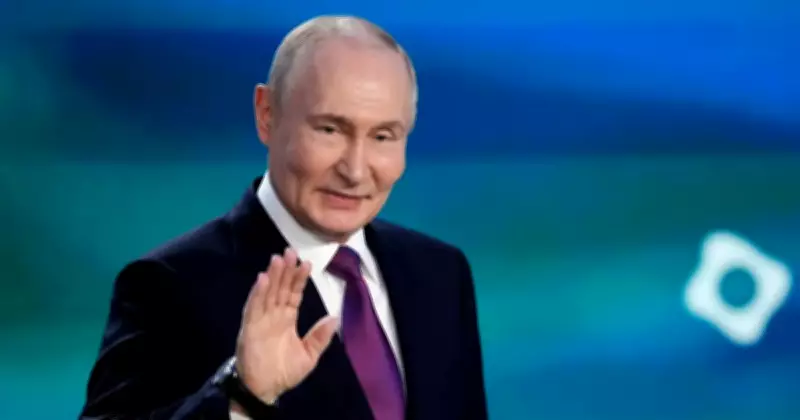
Putin, who is 73 years old, has long shown public interest in longevity and biotechnology research. Reports previously claimed the Russian leader discussed the possibility of humans living up to 150 years or even achieving 'immortality' during conversations involving Chinese President Xi Jinping. Scientists also caution that anti-ageing research remains highly experimental globally, with no proven treatment currently capable of stopping or reversing human ageing entirely.