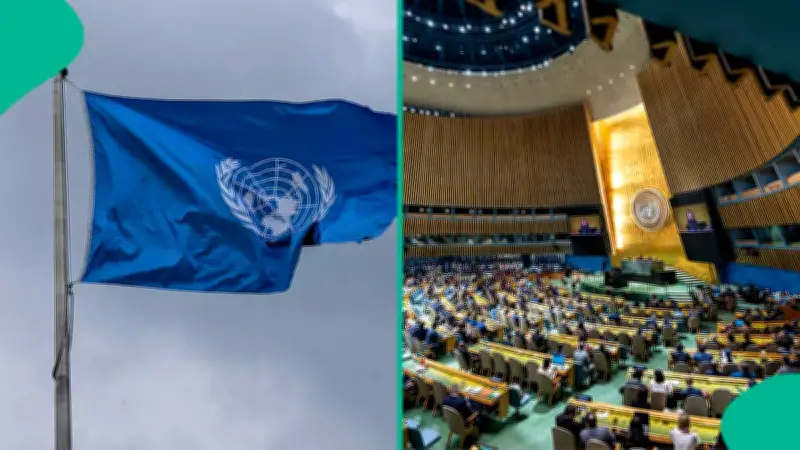
At the United Nations offices in Abuja, staff members lined up to donate blood during an annual drive organized by the United Nations Clinic, the World Health Organization (WHO), and the National Blood Service Commission. The event, held to mark World Blood Donor Day, was a deliberate act of leadership aimed at addressing Nigeria's critical shortage of safe blood.
Blood Donation Saves Lives
The act of giving blood takes less than 15 minutes, yet its impact can last a lifetime. One unit of blood can help save up to three lives. This year, 23 units were collected, potentially supporting patients such as women with childbirth complications, children with severe anaemia, and victims of road traffic crashes.
Dr. Pavel Ursu, WHO Representative in Nigeria, joined colleagues in donating blood. “Safe blood is a critical part of health care,” he said. “By donating today, we are helping to ensure that patients facing emergencies can access lifesaving transfusions. I encourage everyone who is eligible to donate blood regularly.”
Personal Stories of Giving
For Jubril Kareem, donating blood was a personal decision. “Knowing that my donation could help someone survive an emergency made it easy to take part,” he said.
Regular donor Nabila Hassan described it as a shared duty. “We may never meet the people who receive our blood. But that does not reduce its value. It is one of the simplest ways to help others.”
Nigeria’s Urgent Need for Safe Blood
Across Nigeria, demand for safe blood remains high. Hospitals often face shortages, especially during emergencies. Patients needing urgent surgery, cancer care, or treatment for severe bleeding are affected, as are women during pregnancy and children with malaria-related anaemia.
As of 2024, Nigeria collected 371,827 units of blood, far below the national need of 1.8 to 2 million units. Expanding voluntary, unpaid donation is one of the safest and most reliable ways to close this gap.
Leadership and Partnership in Action
The National Blood Service Commission welcomed the UN initiative. “The voluntary, non-remunerated blood donation by UN staff is a powerful act of humanity and a meaningful way of giving back. Nigerians should see this as a call to action,” said Peter Olayemi Ehigie, Assistant Chief, Science Laboratory.
WHO continues to support Nigeria with technical guidance, advocacy, and partnerships to strengthen access to safe blood. The annual UN blood drive, now in its fifth year, has brought nearly 200 donations — each one a sign that change is possible.
Call to Action
For many Nigerians, donating blood is not yet a regular habit. Barriers such as lack of information, access, or fear remain. Yet the message from this year’s drive is clear: saving lives does not always require complex solutions. Sometimes, it starts with a simple decision.
“I am alive because someone donated blood,” said Fiyin. “At that moment, we did not know who the donor was, but that decision gave me another chance.”
Anyone who is healthy and eligible can donate blood through National Blood Service Commission centres and approved hospitals across the country. Regular donation, not one-time participation, is what builds a stable and safe supply.