The Nigeria Centre for Disease Control and Prevention (NCDC) has reported over 65,000 suspected cholera cases across 35 states and about 195 local government areas in 2026. The agency is warning Nigerians to abandon everyday habits that increase the risk of infection, such as drinking untreated water, skipping handwashing, and ignoring sudden diarrhoea.
Cholera remains a serious public health threat
Speaking during a press briefing in Abuja on August 28, 2026, NCDC Director-General Jide Idris said weekly cholera cases have dropped significantly from the peak recorded earlier in the year. However, health officials are urging the public not to relax because cholera remains a serious concern, especially during the rainy season when contaminated water can easily spread the disease.
According to the NCDC, cholera cases usually increase between April and September because rainfall can wash contaminated waste into water sources used by communities. Cholera is caused by the bacteria Vibrio cholerae, which spreads primarily through consumption of contaminated food and water.
Five everyday habits that increase cholera risk
1. Drinking water without treating it first – Water from wells, boreholes, rivers, tanks, or other sources can become contaminated, especially during flooding and heavy rainfall. The NCDC advises Nigerians to boil water before drinking and store it in clean, covered containers. For bottled water, people should check that the seal is intact before drinking.
2. Eating food without checking how it was prepared – Roadside meals and food served at gatherings may be prepared in unhygienic conditions. Eating food that has not been properly cooked or has been exposed to contaminated water increases the risk of cholera. The NCDC advises ensuring food is well cooked and avoiding raw fruits and vegetables unless washed with safe water or peeled personally.
3. Skipping handwashing because hands don't look dirty – Germs that cause cholera cannot be seen. Touching contaminated surfaces, using the toilet, and handling food without washing hands properly can spread infections. Health officials recommend washing hands frequently with soap and clean running water, or using alcohol-based hand sanitiser when soap and water are unavailable.
4. Using the environment as a toilet or dumping waste anywhere – Open defecation and poor waste disposal are major contributors to cholera outbreaks. When human waste enters water sources, especially during flooding, it can contaminate the same water communities rely on for drinking, cooking, and washing. The NCDC advises avoiding open defecation, disposing of waste properly, and maintaining clean surroundings.
5. Ignoring sudden watery diarrhoea – Waiting too long before seeking medical help is a dangerous mistake. Cholera can cause rapid dehydration, and delaying treatment can make the condition worse. The NCDC advises Nigerians not to self-medicate when they experience sudden watery diarrhoea but to visit a healthcare facility immediately.
Symptoms and treatment
Common symptoms of cholera include sudden watery diarrhoea, vomiting, nausea, weakness, and signs of dehydration. Without quick treatment, a person can die within hours because the body loses large amounts of water and important salts. While some infected people may experience mild symptoms or no symptoms at all, severe cases require urgent medical attention.
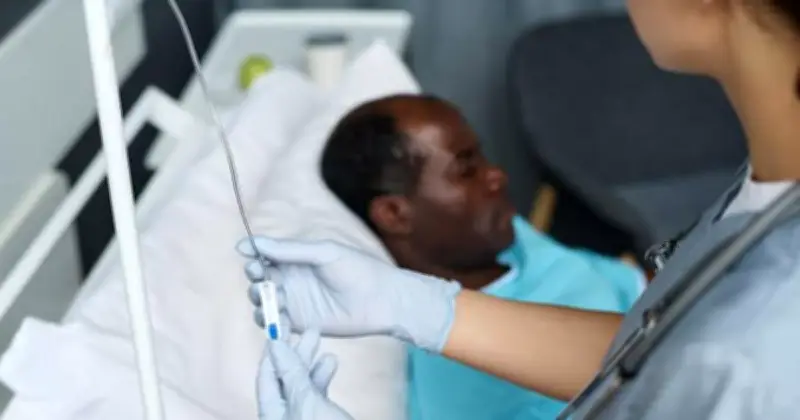
Cholera is treatable, especially when detected early. Most patients recover with proper rehydration using oral rehydration solution (ORS), while severely dehydrated patients may require intravenous fluids. According to health authorities, early treatment saves lives, and with proper care, deaths from cholera can be reduced to less than one per cent.
Government and partner response
In an interview with Punch, health experts have continued to stress the importance of clean water, proper sanitation, and good hygiene practices as Nigeria battles cholera outbreaks. The NCDC, alongside partners including the World Health Organisation (WHO), UNICEF, and Médecins Sans Frontières (MSF), says it will continue supporting states with medical supplies, surveillance, and water, sanitation, and hygiene interventions.
For Nigerians, the message remains simple: the fight against cholera starts with everyday choices – the water you drink, the food you eat, and how you keep your surroundings clean.