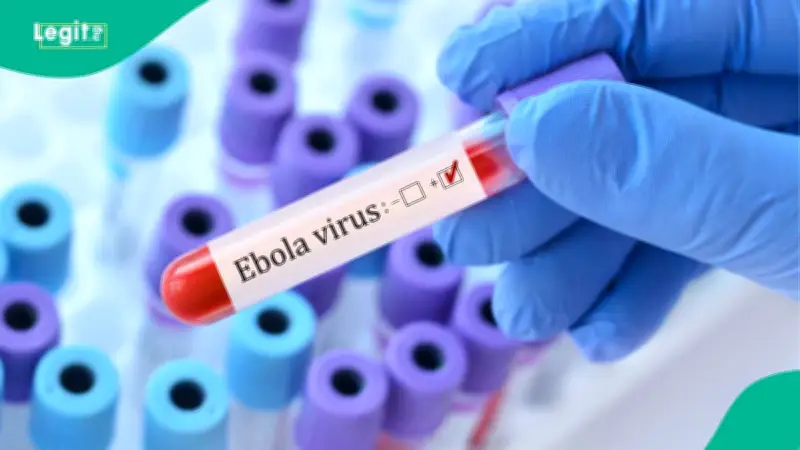
The Federal Government has confirmed a case of Ebola virus disease in the Federal Capital Territory, Abuja, following laboratory tests, and has initiated contact tracing for individuals who may have been exposed to the infected person. Health Minister Prof. Muhammad Ali Pate disclosed the development in a statement on Tuesday, October 20, 2026, stating that 44 close contacts had been identified.
Contact Tracing and Response Coordination
Public health teams are working to trace additional people who could have been exposed, including healthcare workers, patients, caregivers, and passengers on relevant flights. The Federal Ministry of Health and Social Welfare, the Nigeria Centre for Disease Control and Prevention (NCDC), and the FCT Health Services Secretariat are coordinating the response. Surveillance has been intensified, and the hospital where the patient received treatment is receiving direct support to improve infection prevention and control.
All public and private healthcare facilities across the country have been placed on high alert. Health workers have been instructed to maintain a high index of suspicion, isolate any suspected cases immediately, follow strict infection prevention protocols, and report suspected infections to public health authorities without delay.
Public Health Advice and Preventive Measures
Pate urged Nigerians to remain calm but cautious, citing regular handwashing and avoiding contact with the blood or body fluids of anyone suspected of having Ebola as key preventive steps. He said people should watch for symptoms such as fever, severe weakness, headache, vomiting, and diarrhoea, especially those who may have been near an infected person. The minister added that anyone contacted by a public health team during the tracing exercise, including potentially exposed airline passengers, should cooperate fully and share the requested information.
The confirmation follows an NCDC advisory issued on October 6, 2026, warning of the risk of Ebola being imported into Nigeria. That alert was triggered by a confirmed Ebola case in Kenya linked to an ongoing outbreak in the Democratic Republic of the Congo.
Background and Historical Context
According to the World Health Organisation, Ebola spreads through direct contact with infected blood or body fluids, or through contaminated surfaces and objects. People do not spread the virus before symptoms appear, and the incubation period is between two and 21 days. Nigeria successfully contained an Ebola outbreak in 2014 after an infected traveller introduced the virus. That response relied on swift case identification, isolation, and extensive contact tracing.
Pate said the country had both the experience and the health systems to handle the current situation, but stressed that public cooperation was essential to stopping further spread. The Presidential Task Force on Ebola Virus Disease and the NCDC will continue to provide updates as investigations proceed. Members of the public can call the NCDC's 24-hour toll-free line on 6232 to report a suspected case or get more information.