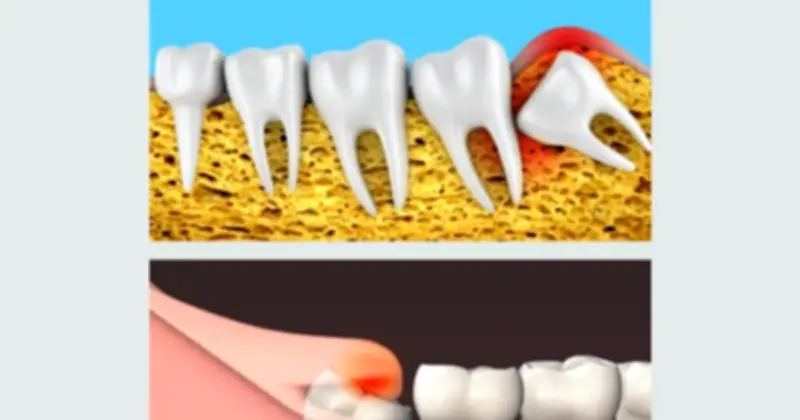
Wisdom teeth, the last adult molars at the back of the mouth, typically emerge in the late teens or early twenties, but they can also cause problems later in life. Unlike baby teeth, which arrive in a predictable sequence, wisdom teeth often find a mouth already fully furnished with adult teeth, leaving little room for them to settle in properly. This can lead to pain, infection, and other dental complications that many young adults experience.
Why Wisdom Teeth Can Cause Pain
When a wisdom tooth only partially emerges, a flap of gum may cover part of it, creating a space where food and bacteria can accumulate. This can lead to redness, swelling, and soreness in the surrounding gum tissue, and in some cases, an infection may develop. Symptoms of such issues include pain at the back of the mouth, an unpleasant taste, discomfort while chewing, and difficulty opening the mouth fully.
However, pain in that area does not automatically mean the wisdom tooth is the culprit. According to Mariam Olayode, a Dental Surgery Assistant registered in Nigeria and a dental content writer based in Lagos, another tooth with decay can cause a similar ache. A dentist can examine the area to determine the source of the pain and recommend appropriate treatment.
Do Wisdom Teeth Always Need to Be Removed?
Not necessarily. A wisdom tooth does not require removal simply because it has appeared or because a person has reached a certain age. The decision depends on several factors, including the tooth's position, whether it is causing problems, and whether it can be kept clean. An X-ray may be necessary to see parts hidden beneath the gum, such as the roots and their proximity to adjacent teeth or nerves.
If the tooth is healthy and can be maintained with good oral hygiene, a dentist may recommend leaving it in place and monitoring it during routine check-ups. On the other hand, if it causes repeated infections or damages the neighboring tooth, removal may be advised. Even if a wisdom tooth does not hurt, it is important to mention it at a routine dental appointment so the dentist can check for potential issues that may not yet be noticeable.
When to See a Dentist About Wisdom-Tooth Pain
If the ache in the back of the mouth keeps returning, it is advisable to schedule a dental appointment. There is no need to wait until the pain disrupts sleep or makes eating difficult. Visiting a dentist for a check-up does not mean agreeing to have the tooth removed; it is simply a step to identify the cause of the discomfort.
Prompt dental care is essential if the pain or swelling worsens, a fever develops, or opening the mouth becomes difficult. In cases where swelling makes breathing or swallowing difficult, emergency medical care should be sought immediately. Until the appointment, individuals can gently clean the area if comfortable and use pain relief as directed on the packaging, consulting a pharmacist if unsure about suitable options.
If removal is necessary, the dentist will explain the reasons and what to expect during treatment. Age is one factor in planning treatment, but there is no strict deadline by which everyone must have their wisdom teeth removed. Recurring pain from wisdom teeth is not something to accept as a normal part of growing up; it is a signal to seek professional advice and care.