The Nigerian Communications Commission (NCC) has released seven key facts about its new phone verification system, which took effect on October 7, 2026. Nigerians can check if their phones are approved by dialling *315# or visiting the NCC Device Checker website at www.ncc.gov.ng/DeviceChecker.
Purpose and Implementation of the Verification System
The NCC’s Director of Technical Standards and Network Integrity, Edoyemi Ogoh, explained the initiative is designed to protect consumers and improve network performance. “Type Approval is not merely a regulatory requirement. It is a vital mechanism for protecting consumers, safeguarding network performance and preserving confidence in Nigeria’s digital economy,” Ogoh said at a news conference in Abuja.
The verification system ensures that devices connected to Nigerian mobile networks meet required technical standards. The NCC has already registered about 231 million devices, meaning existing subscribers do not need to take any action. Ogoh clarified, “We are not blacklisting those that have come up before this,” referring to phones connected to local networks before the system took effect.
How to Check Phone Approval and Steps for Buyers
To check if a phone is approved, Nigerians can dial *315# and follow the instructions to access the NCC Device Checker service. Alternatively, they can visit the NCC website to check a device online. To check another phone, users can dial *#06# to display its 15-digit International Mobile Equipment Identity (IMEI) number. The result will confirm whether the phone is approved for use on Nigerian mobile networks before purchase. If the result is unclear or the check fails, consumers should contact the seller, their network provider, or the NCC for clarification.
Buyers of second-hand phones are advised to confirm the approval status before paying. They should ask sellers to provide access to the device so they can retrieve its IMEI number and complete verification. A failed check does not automatically mean a phone is fake; buyers should confirm its status with the seller or the NCC before completing the purchase.
Covered Devices and Privacy Safeguards
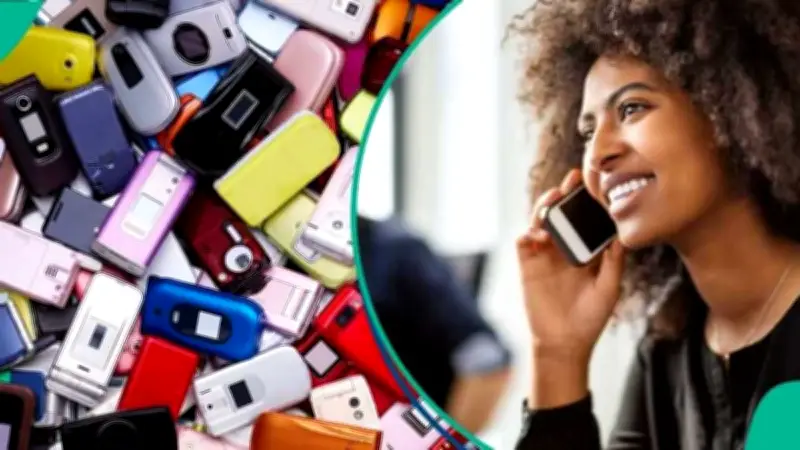
The verification system covers devices with SIM cards that connect to Nigerian mobile networks, including smartphones, basic mobile phones, tablets with cellular connectivity, SIM-enabled laptops, point-of-sale (POS) terminals, and eligible Internet of Things devices. Phones found to be non-compliant, including counterfeit and substandard devices, may be blocked from accessing Nigerian mobile networks.
The NCC has dismissed concerns that the system will monitor users’ private communications. Ogoh said the system “is not a surveillance tool and does not provide access to personal information stored on devices.” The process uses device identification details, including IMEI numbers, to check compliance with technical requirements. It does not give the NCC access to users’ messages, photographs, or other personal files, nor does it allow tracking of users’ physical locations.
Foreign Visitors and What to Do if Verification Fails
Foreign visitors using international roaming with foreign SIM cards are not affected by the verification system. However, phones that have never been used on a Nigerian network and are brought into the country for use with a Nigerian SIM can be used for up to 30 cumulative days within a one-year period without verification. Phones imported for personal use may follow a different verification process from devices brought in for commercial purposes.
Consumers who cannot verify their phones should first confirm that they entered the correct IMEI number. If the problem continues, they can seek clarification from the seller, contact their mobile network provider, or call the NCC’s toll-free number, 315. The commission has also warned consumers about verification scams and advised them to use only official channels. It urged Nigerians not to disclose one-time verification codes to sellers, callers, or other individuals during the process.