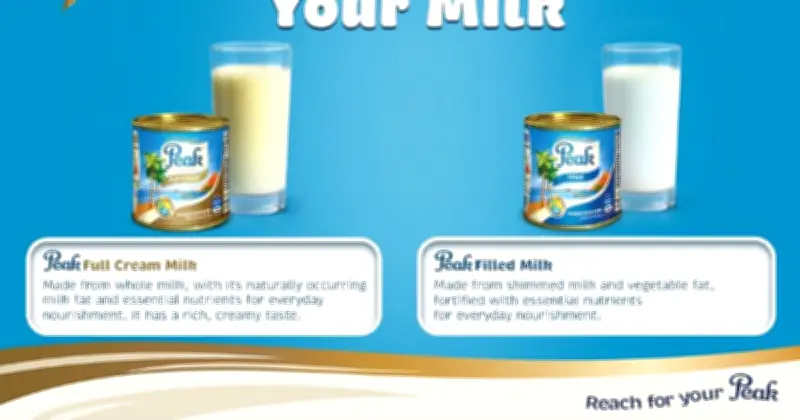
Choosing the right milk has become a complex decision for many shoppers, with options ranging from dairy to non-dairy alternatives and variations like Full Cream and Filled Milk. A dietitian's guide aims to clarify these choices, emphasizing that understanding product differences is key to making informed nutritional decisions.
The Modern Milk Aisle Dilemma
Buying milk used to be simple, but today's supermarket shelves present a bewildering array of options. A dietitian recalls observing a young couple in a large supermarket spending nearly ten minutes examining milk products, reading labels, and consulting social media for guidance. Their confusion centered on whether to choose dairy or non-dairy milk, and if dairy, the difference between Full Cream and Filled Milk.
The dietitian intervened, explaining the distinctions and helping the couple make a confident choice. This encounter highlights a common issue: many consumers assume milk is simply milk, yet the variety of products serves different nutritional purposes. Decisions are often based on familiarity, price, or packaging rather than understanding what each product is designed to do.
Dairy vs. Non-Dairy: The First Decision
The first step in choosing milk is understanding the two main categories: dairy and non-dairy. Dairy milk, typically from cows but also goats and sheep, provides high-quality protein, calcium, and essential vitamins that support growth and bone health. Non-dairy alternatives, such as plant-based milks, offer different nutritional profiles.
For those who opt for dairy, the next decision involves selecting between Full Cream and Filled Milk. Both are dairy products, but they differ in fat composition and are designed for different needs. Full Cream Milk contains natural milk fat, giving it a rich, creamy taste, while Filled Milk replaces part or all of the natural milk fat with vegetable oils, offering a different fat composition while retaining protein and calcium.
Understanding Product Variations
Within the dairy category, products like Peak's range include Full Cream Milk, Filled Milk, and Peak 456 Growing-Up Milk. Each serves a distinct purpose. Peak Full Cream Milk is designed for complete dairy nutrition for everyday family use, available in powdered and evaporated formats suitable for drinking, cooking, and baking. Peak Filled Milk provides a dairy option with a different fat composition, catering to varying dietary preferences.
Peak 456 Growing-Up Milk is specially formulated for children aged four to six years, fortified with essential vitamins and DHA, an omega-3 fatty acid that supports normal brain development. This age-appropriate product addresses the unique nutritional needs of young children as part of a balanced diet.
Choosing the Right Milk with Confidence
To simplify the decision, consumers should ask three questions: Which dairy milk do I need—Full Cream or Filled? Who is the product for? Does it meet my nutritional needs and intended use? Answering these helps move beyond packaging and familiarity to make informed choices.
The dietitian notes that having more options is an advantage, not a problem. The key is understanding the purpose of each product. With this knowledge, choosing milk becomes less about guesswork and more about making informed decisions for families. The guide concludes that informed nutrition decisions begin with understanding what you're buying, empowering consumers to choose wisely.