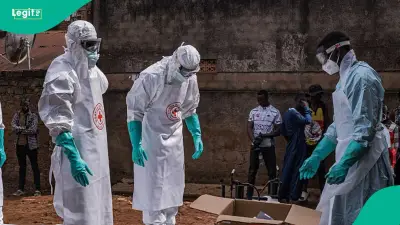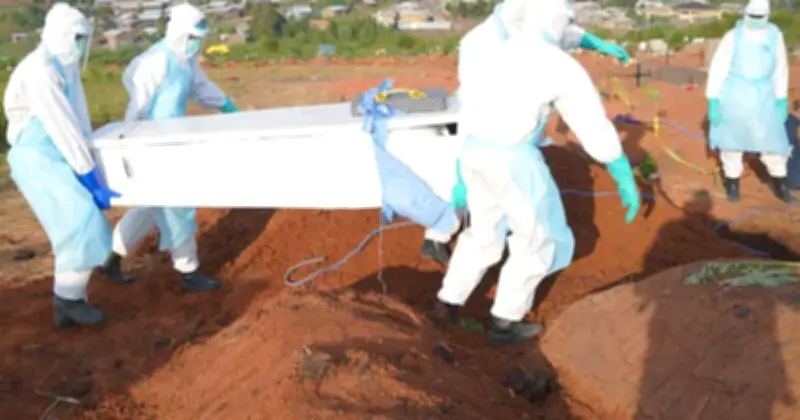
The Ebola outbreak in the Democratic Republic of Congo has become the country's deadliest on record, with more than 2,300 deaths and nearly 5,000 confirmed cases, according to the BBC. Health officials confirmed on Monday that the country had recorded 4,945 confirmed Ebola cases, including 101 new infections within just 24 hours. The rapid increase has raised fresh concerns among global health experts as the virus continues to spread across the country, reaching six of DR Congo's 26 provinces.
Rare Bundibugyo Strain Poses Unique Challenge
This outbreak is caused by the Bundibugyo strain of the Ebola virus, a rare species that has only caused two known outbreaks before now. Unlike the more common Zaire strain, there is currently no approved vaccine specifically designed to protect against the Bundibugyo virus. Public health officials have described the outbreak as moving at an alarming speed, with the United Nations humanitarian chief warning that the disease was killing roughly one person every 30 minutes during the worst period.
International Spread and Response Efforts
Although most infections have remained inside the Democratic Republic of Congo, authorities have confirmed cases in neighbouring Uganda, while a small number of infections have also been detected in Europe. The World Health Organization (WHO) is working with Congolese health authorities to slow the spread of the virus and hopes to bring transmission under control within three months. However, experts have stressed that reducing transmission doesn't automatically mean the outbreak is over, as isolated cases can continue to appear for months.
Vaccine Development and Challenges
Scientists are racing to develop vaccines that target the Bundibugyo strain. One promising candidate has already reached an important milestone after Britain's medicines regulator approved human trials of a vaccine developed by researchers at the University of Oxford. The vaccine uses technology similar to the Oxford-AstraZeneca COVID-19 vaccine that was widely used during the coronavirus pandemic.
Ebola remains one of the world's deadliest viral diseases. Early symptoms often include fever, headache and extreme weakness before progressing to vomiting, diarrhoea and, in severe cases, internal and external bleeding. The virus spreads through direct contact with the blood or other bodily fluids of an infected person or contaminated materials.
This latest outbreak is the 17th Ebola outbreak recorded in the Democratic Republic of Congo since the virus was first discovered there about 50 years ago. Health experts say years of armed conflict, displacement of communities and pressure on the country's already stretched healthcare system have made efforts to contain the disease much more difficult. With infections still climbing, authorities are expanding surveillance, treatment centres and infection-control measures in an effort to stop the outbreak from spreading further.