DRC Ebola Outbreak Reaches 3,200 Confirmed Cases
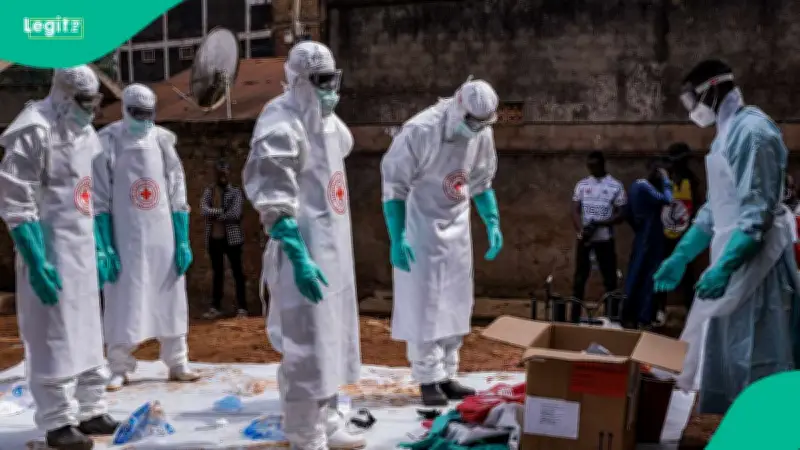
Government data released on Sunday, July 26, 2026, shows that the number of confirmed Ebola cases in the Democratic Republic of Congo has climbed to 3,200. The death toll stands at 1,405, according to figures reported by Reuters. The outbreak continues to spread across multiple regions, with fatalities now accounting for more than 40 percent of confirmed infections.
Death Toll Surpasses 1,400 as Fatality Rate Exceeds 40 Percent
The latest government figures, published on Sunday, reveal that 1,405 people have died from the virus since the outbreak began. This marks a significant increase in both cases and deaths, underscoring the severity of the epidemic. The DRC has experienced numerous Ebola outbreaks over the decades, with the virus first identified in the country in 1976 near the Ebola River.
Historical Context of Ebola in the DRC
Ebola is a severe and often fatal illness caused by the Ebola virus. It spreads through direct contact with blood or bodily fluids of infected individuals or animals. Symptoms include fever, fatigue, muscle pain, headache, vomiting, and bleeding. While there is no universally approved cure, vaccines and supportive treatments have been deployed in previous outbreaks to reduce transmission and improve survival rates. The World Health Organization and international health bodies have historically collaborated with Congolese health authorities to contain outbreaks, though no details on the current response were provided in Sunday's data.
Uganda Announces Discharge of Final Ebola Patient
In a related development, Uganda is preparing to discharge its last Ebola patient on Thursday, July 16, 2026, according to government spokesperson Alan Kasujja. The patient will be released from Mulago National Referral Hospital in Kampala, triggering a 42-day countdown before the country can be declared Ebola-free. This development highlights the contrasting situations in neighboring countries, as the DRC continues to battle rising case numbers.
As the outbreak in the DRC evolves, health authorities and international partners are expected to intensify surveillance and response measures to curb further spread. The official data released Sunday provides a stark reminder of the ongoing challenges posed by Ebola in the region.