Ebola deaths have surpassed 1,000 in the current outbreak, marking it as the fastest-growing epidemic on record, according to the World Health Organization (WHO). The outbreak, which began in early 2026, has spread across multiple African nations, overwhelming already strained health systems.
Outbreak Escalates Rapidly
As of July 23, 2026, the WHO has confirmed 1,023 deaths out of 1,456 cases, a case fatality rate of approximately 70%. The virus has been detected in at least five countries: Guinea, Sierra Leone, Liberia, Ivory Coast, and Ghana. This is the first time Ebola has reached urban centers in Ghana, raising fears of further urban transmission.
Dr. Matshidiso Moeti, WHO Regional Director for Africa, stated: "This is the fastest-spreading Ebola outbreak we have ever seen. The number of cases has doubled every three weeks, and we are racing against time to contain it."
Health Systems Under Strain
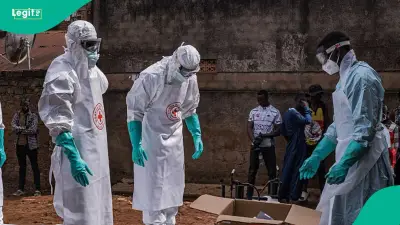
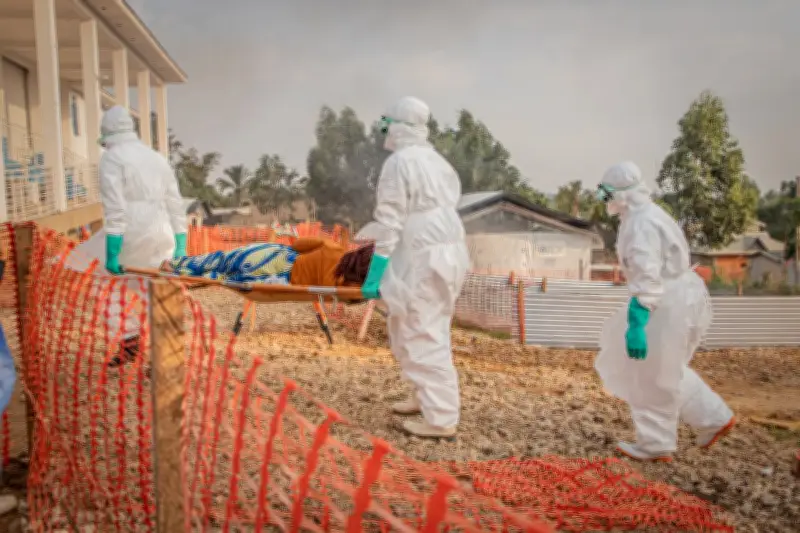
Health facilities in affected regions are struggling to cope. In Guinea, where the outbreak originated, the Ministry of Health reports that 300 new cases were recorded in the past week alone. Many treatment centers are operating at full capacity, and there is a critical shortage of personal protective equipment (PPE) and medical staff.
Dr. Sakoba Keita, Guinea's National Coordinator for Ebola Response, said: "Our health workers are exhausted and at risk. We need international support urgently to prevent this outbreak from becoming a pandemic."
International Response
The WHO has deployed emergency teams to the affected countries, but funding gaps remain. The organization has appealed for $50 million to support containment efforts, including contact tracing, vaccination campaigns, and public health messaging. However, only $20 million has been pledged so far.
The African Union has also mobilized resources, sending medical supplies and personnel to the hardest-hit areas. The African Centers for Disease Control and Prevention (Africa CDC) is coordinating cross-border surveillance to track the virus's spread.
Vaccination Efforts
Vaccination campaigns are underway, but supplies are limited. The WHO has shipped 200,000 doses of the Ervebo vaccine to the region, but experts estimate that at least 1 million doses are needed to achieve herd immunity. The outbreak is particularly concerning because it involves the Zaire strain, which has a high mortality rate.
Dr. John Nkengasong, Director of Africa CDC, warned: "We cannot afford to be complacent. This outbreak is a wake-up call for global health security. We need a coordinated and well-funded response to stop it."
Community Impact
Communities are taking preventive measures, including avoiding physical contact and reporting suspected cases. However, misinformation and mistrust of health authorities have hindered efforts in some areas. In Liberia, health workers have faced resistance from residents who believe the virus is a hoax.
The economic impact is also mounting. Border closures and travel restrictions have disrupted trade and agriculture, threatening food security in the region. The World Bank has warned that the outbreak could cost West Africa billions of dollars if not contained quickly.
Looking Ahead
Health officials are calling for urgent international assistance to prevent the outbreak from spiraling out of control. The WHO is planning to convene an emergency meeting of health ministers from affected countries to coordinate a unified response.
As the death toll surpasses 1,000, the world is watching closely. The outcome of this outbreak will depend on swift action, global solidarity, and the resilience of African health systems.