Health Workers Strike Halts Ebola Response in DR Congo
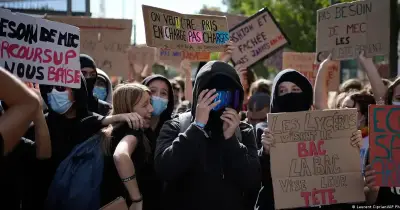
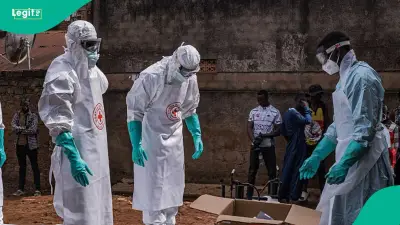
A strike by health workers in the Democratic Republic of Congo has severely disrupted the response to the ongoing Ebola outbreak, which has now crossed 1,700 cases. The industrial action, which began on Monday, has led to the suspension of key activities including vaccination, contact tracing, and safe burials in the affected regions of North Kivu and Ituri provinces.
According to the Ministry of Health, as of July 6, 2026, the total number of confirmed and probable cases stands at 1,712, with 1,134 deaths. The case fatality rate is approximately 66%. The outbreak, which was declared on August 1, 2025, is the second largest in history, after the 2014-2016 West Africa epidemic.
Strike Demands and Impact on Response
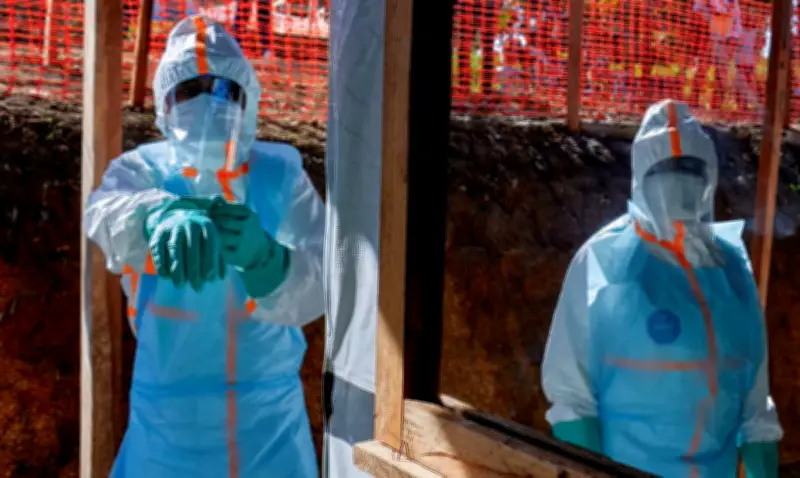
The striking workers, including nurses, doctors, and sanitation staff, are demanding hazard pay, better protective equipment, and improved working conditions. They have also called for the timely payment of salaries and allowances. The strike has left many treatment centers understaffed, forcing some to close or operate at reduced capacity.
"We are risking our lives every day without adequate compensation or protection. The government must address our concerns before we return to work," said Jean-Pierre Kalala, a nurse at a treatment center in Beni. The strike has also disrupted community engagement efforts, which are critical for gaining trust and reporting new cases.
Outbreak Crosses 1,700 Cases
The outbreak has now spread to 27 health zones in two provinces. The World Health Organization has warned that the strike could lead to a surge in cases if not resolved quickly. "Every day lost due to the strike increases the risk of the virus spreading to new areas," said Dr. Matshidiso Moeti, WHO Regional Director for Africa. The number of new cases has been averaging 10-15 per day in recent weeks, but this could rise as response activities are hampered.
The government has appealed to the striking workers to return to work, promising to address their grievances. However, negotiations have so far failed to yield a breakthrough. The Ministry of Health has deployed additional staff from other regions to mitigate the impact, but they are insufficient to cover the gap.
Regional and International Concerns
The disruption comes as neighboring countries, including Uganda, Rwanda, and South Sudan, have heightened surveillance at their borders. The WHO has maintained the risk assessment as "very high" at the national and regional levels. International partners, including the U.S. Centers for Disease Control and Prevention and Médecins Sans Frontières, have expressed concern over the strike's impact on containment efforts.
"The response is at a critical juncture. We urge all parties to prioritize the health of the community and resolve the strike swiftly," said a spokesperson for the International Rescue Committee. The outbreak has already cost hundreds of lives and millions of dollars in response efforts.