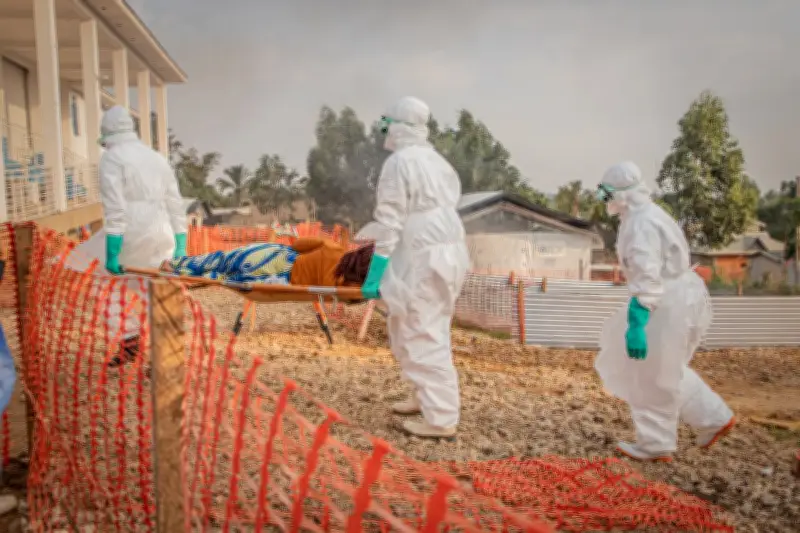
The ongoing Ebola outbreak in the Democratic Republic of Congo (DRC) has become the deadliest in the country's history, with the death toll reaching 2,325 people, according to the DRC's health ministry. The outbreak, which began in August 2018, has surpassed the previous record of 2,280 deaths from the 2014-2016 West Africa epidemic.
Outbreak Progress and Response
The health ministry reported that the number of cases has also exceeded 3,400, with 2,325 deaths confirmed. The outbreak has been concentrated in the eastern provinces of North Kivu and Ituri, where ongoing conflict and community mistrust have hampered response efforts.
Health officials have attributed the high death toll to a combination of factors, including the difficulty of reaching affected communities due to insecurity, and resistance to vaccination and treatment among some residents. The World Health Organization (WHO) has described the situation as a "public health emergency of international concern."
Vaccination Campaigns and Challenges
More than 300,000 people have been vaccinated against Ebola in the DRC, using the experimental rVSV-ZEBOV vaccine. However, health workers have faced challenges in convincing some communities to accept the vaccine and other preventive measures.
"The insecurity in the region has made it extremely challenging to contain the outbreak," said a spokesperson for the DRC health ministry. "We are working with local leaders and community groups to build trust and ensure that everyone has access to the care they need."
Impact on the Region and Global Health
The outbreak has also spread to neighboring Uganda, where several cases were confirmed, but the virus has so far been contained there. The DRC's health system, already strained by other diseases like measles and cholera, has been further overwhelmed by the Ebola response.
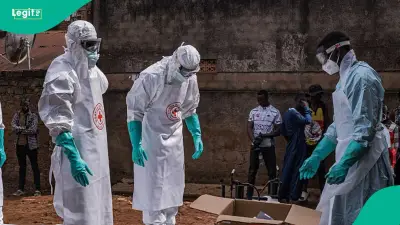
International partners, including the WHO and the International Federation of Red Cross and Red Crescent Societies, have provided funding and personnel to support the response. However, they have warned that the outbreak is not yet under control and that continued vigilance is needed.
The current outbreak has now become the second deadliest Ebola outbreak in history, after the 2014-2016 West Africa epidemic which killed more than 11,000 people. The DRC health ministry has stated that efforts are ongoing to bring the outbreak to an end, but the challenges remain significant.