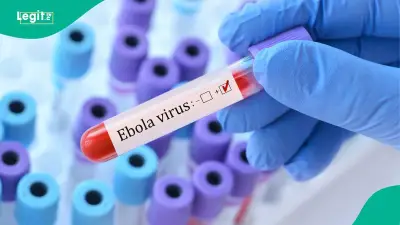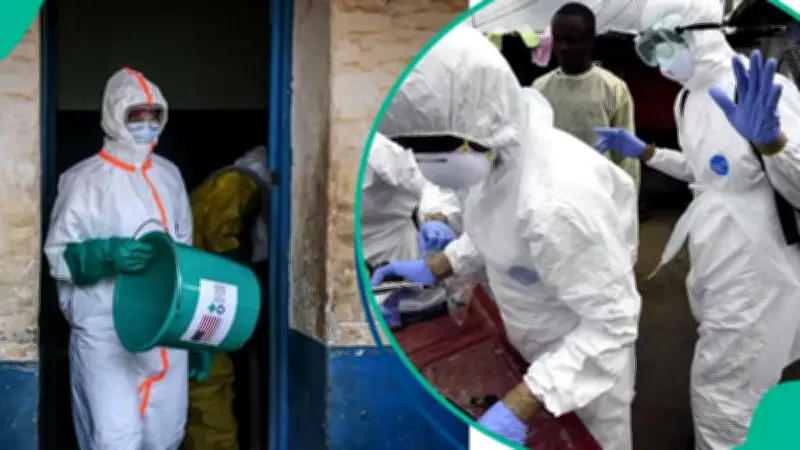
The Federal Government has placed 15 Nigerian states on high alert for Ebola, directing hospitals nationwide to establish isolation capacity and strengthen infection prevention measures following the confirmation of an imported case in the Federal Capital Territory (FCT).
Coordinating Minister of Health and Social Welfare, Prof. Muhammad Pate, disclosed that 21 states had updated their Ebola emergency response plans, while the remaining 15 had been directed to accelerate preparations. The directive comes amid intensified surveillance and contact tracing, as health authorities move to prevent the virus from spreading beyond the confirmed patient.
Hospitals Ordered to Prepare Isolation Facilities
Pate said public and private hospitals had been instructed to provide isolation beds, strengthen infection prevention protocols and ensure healthcare workers were adequately trained and protected. "We have notified all our hospitals to make room for bed capacity, isolation, and prepare their health workers in terms of infection prevention in these cases, because health workers are on the front lines," he said.
The minister explained that the government's immediate priority was to prevent community transmission through early detection, rapid reporting and effective management of suspected infections. He disclosed that the Nigeria Centre for Disease Control and Prevention (NCDC) had activated its incident management system, working alongside FCT authorities, the World Health Organisation and Africa Centres for Disease Control and Prevention.
15 States Told to Accelerate Ebola Response
At the 161st National Economic Council (NEC) meeting, chaired virtually by Vice President Kashim Shettima, Pate acknowledged the preparedness efforts of 21 states but urged the remaining 15 to complete their emergency response arrangements. According to a statement by Shettima's spokesperson, Stanley Nkwocha, the minister identified laboratory testing, surveillance at entry points, medical supplies and public communication as essential components of Nigeria's response.
The government did not identify the 15 states in the supplied briefing. The distinction is significant because the warning concerns incomplete preparedness plans, rather than confirmed Ebola infections in those states. Pate maintained that Nigeria had the institutional experience to manage the situation, recalling the country's response to the 2014 Ebola outbreak. "We must be vigilant, but not panic. People should respect public health information from trusted sources and not spread misinformation and false rumours," he said.
Contact Tracing Intensifies After Abuja Case
Health authorities have intensified efforts to identify and monitor individuals who may have encountered the infected woman. Pate disclosed that the patient had visited a private healthcare facility before the infection was confirmed, highlighting the importance of involving private hospitals in disease surveillance. He urged healthcare providers to promptly notify public health authorities about suspected infections rather than manage such cases without official coordination.
The minister also announced additional funding for the NCDC and the involvement of genomics expert Prof. Christian Happi to support investigations and viral sequencing. The reported infection has been linked to the Bundibugyo strain of Ebola, distinct from the Zaire strain associated with the major West African outbreak of 2014 to 2016, according to a Punch report.
FG Launches Nationwide Ebola Awareness Campaign
Meanwhile, Minister of Information and National Orientation, Mohammed Idris, has directed federal information agencies to intensify public education on Ebola prevention. The campaign will involve the National Orientation Agency, Nigerian Television Authority, Federal Radio Corporation of Nigeria and other government media organisations.
Idris said the campaign would produce public awareness materials in Nigerian languages to combat misinformation and encourage early reporting. He urged Nigerians to remain calm and follow verified public health guidance. Residents have also been advised to report suspected infections through the NCDC's 24-hour emergency number, 6232.
The government's response now faces a crucial test: ensuring that all 36 states can rapidly identify, report and contain suspected infections before isolated cases develop into wider transmission. Legit.ng earlier reported that a diplomat infected with the Bundibugyo strain of Ebola in Abuja has gone into multi-organ failure, as Nigerian authorities step up contact tracing and emergency response efforts across the country. Health Minister Prof. Muhammad Ali Pate confirmed that 44 close contacts had been identified and that tracing was underway.