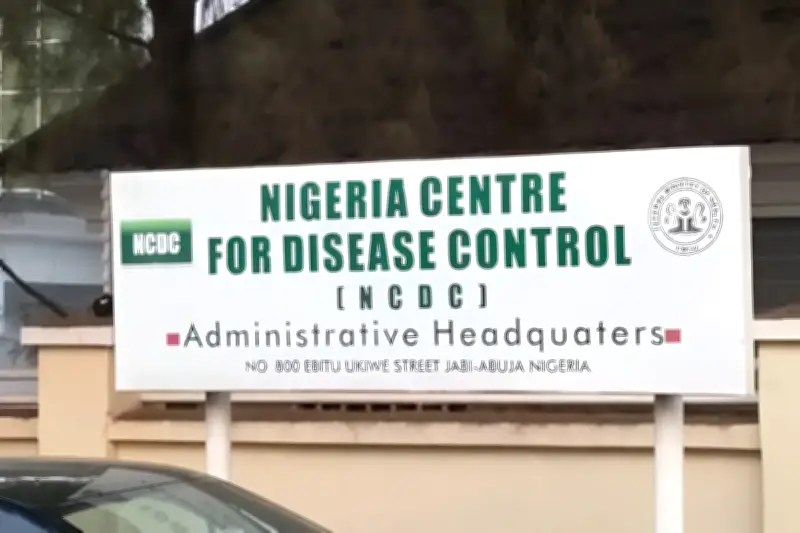
The Nigeria Centre for Disease Control and Prevention (NCDC) has confirmed 14 new cases of Lassa fever, bringing the cumulative number of infections recorded so far this year to 1,035. The latest cases were recorded between August 10 and August 16 in Ondo, Bauchi, Edo and Benue states, according to the agency’s situation report released in Abuja on Tuesday, September 1.
Death Toll and Case Fatality Rate Rise
The NCDC also reported that the cumulative death toll from the disease had risen to 252, while the case fatality rate increased to 24.4 per cent, compared with 18.6 per cent recorded in 2025. This marks a significant jump in the severity of the outbreak, with a higher proportion of confirmed cases now resulting in death.
The 14 new cases represented an increase from the four confirmed cases reported in epidemiological week 32, when infections were recorded in Ondo and Edo states. “In week 32, cumulative infections reached 1,021, with 240 deaths and a case fatality rate of 23.5 per cent,” the agency said.
Weekly Transmission Fluctuations
The latest figures also reflected fluctuations in weekly transmission, as the four cases recorded in week 32 represented a decline from the 17 confirmed cases reported in epidemiological week 31. This indicates that the outbreak is not following a steady pattern, with some weeks seeing sharp drops in new infections.
The NCDC said the outbreak had continued to spread across several parts of the country, with 23 states recording at least one confirmed Lassa fever case across 117 local government areas as of epidemiological week 33. “By week 33, 23 states had reported at least one confirmed Lassa fever case across 117 local government areas,” the agency said.
Public Health Response and Prevention
The disease control agency said it would continue surveillance and response activities as Lassa fever remained a significant public health concern across affected states. Lassa fever is an acute viral haemorrhagic illness that can be transmitted to humans through contact with food or household items contaminated by infected rodents, while person-to-person transmission can also occur, particularly in healthcare settings.
The NCDC has continued to urge the public to maintain good hygiene, keep food and household items away from rodents and seek medical attention promptly when symptoms associated with the disease emerge. The agency’s ongoing efforts focus on reducing transmission and mitigating the impact of the outbreak in the affected regions.