Oyo State Government Confirms Lassa Fever Fatality, Activates Comprehensive Emergency Response
The Oyo State Government has officially confirmed a tragic case of Lassa Fever at the University College Hospital (UCH) in Ibadan, marking a significant public health alert. The case involved a 44-year-old female patient who was managed at UCH but unfortunately succumbed to the illness on 11 April 2026. Laboratory confirmation of Lassa Fever was received on 13 April 2026, prompting immediate action from state health authorities.
Immediate Activation of Emergency Protocols
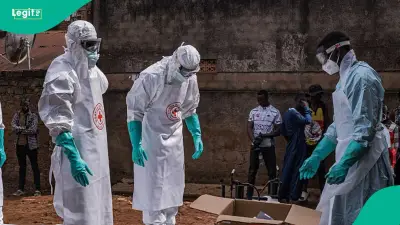
In a detailed statement issued by the Honourable Commissioner for Health, Dr. Oluwaserimi Ajetunmobi, the State Government, through the Ministry of Health, has swiftly activated its emergency response mechanisms following the confirmation. Dr. Ajetunmobi emphasized that the Incident Management System (IMS) for Lassa Fever is now fully operational to coordinate all response activities, ensuring a structured and effective approach to containment and management.
Key measures implemented include:
- Identification and continuous monitoring of all contacts linked to the deceased to prevent further transmission.
- Ensuring a safe and dignified burial process in accordance with public health guidelines to minimize risks.
- Intensified surveillance across Oyo State, with all health facilities placed on high alert to detect and report any suspected cases promptly.
Public Health Advisory and Symptom Awareness
Dr. Ajetunmobi urgently appealed to residents to seek immediate medical attention if they experience symptoms associated with Lassa Fever. These symptoms include persistent fever, weakness or extreme fatigue, sore throat, vomiting or diarrhoea, unexplained bleeding from gums, nose, urine, or injection sites, as well as chest pain or difficulty in breathing. The Commissioner stressed that early presentation at any health facility significantly improves survival chances, underscoring the treatable nature of the disease when detected promptly.
Understanding Lassa Fever Transmission and Prevention
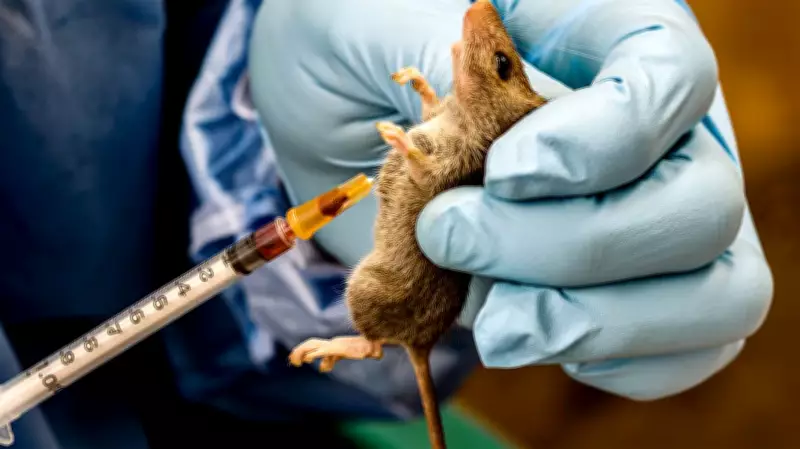
Lassa Fever is a viral haemorrhagic illness caused by the Lassa virus, primarily transmitted through contact with food or household items contaminated by urine or faeces of infected rodents. It can also spread from person to person through contact with bodily fluids of an infected individual, particularly in healthcare settings where appropriate precautions are not strictly observed.
To mitigate risks, Dr. Ajetunmobi advised residents to:
- Maintain high environmental hygiene by keeping homes and surroundings clean, storing food in rodent-proof containers, and disposing of waste properly.
- Avoid drying food items on the ground or by the roadside to reduce rodent attraction.
- Seal holes and other entry points in homes to prevent rodent infestations.
- Practice good personal hygiene, including regular hand washing with soap and water, and use hand sanitisers where necessary.
Emergency Reporting and Healthcare Protocols
The Commissioner highlighted designated emergency lines for reporting symptoms: 0803 374 2052 and 0802 524 5809. She also enjoined all health workers to strictly adhere to infection prevention and control protocols at all times to safeguard both patients and medical personnel.
Government Assurance and Collaborative Efforts
Dr. Ajetunmobi reiterated the Oyo State Government's unwavering commitment to protecting the health and safety of all residents. She assured the public that there is no cause for panic, as the situation is under control with all necessary public health measures being effectively implemented. The government is strengthening collaboration with relevant stakeholders to ensure a coordinated and robust response, leveraging partnerships to enhance surveillance and resource allocation.
In conclusion, the Commissioner affirmed, "Lassa Fever is preventable and treatable, especially when detected early." This statement reinforces the importance of community vigilance and proactive health practices in combating the outbreak.