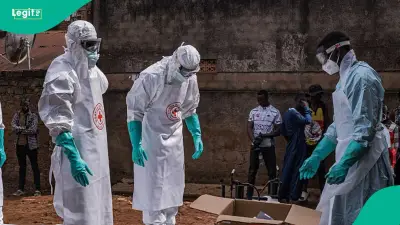
Oyo State Confirms Lassa Fever Fatality as National Outbreak Intensifies
The Oyo State Government has officially confirmed a tragic case of Lassa fever at the University College Hospital (UCH) in Ibadan, resulting in the death of a patient. This development comes amid escalating concerns from global and national health authorities regarding the persistent threat of the disease across Nigeria.
Details of the Confirmed Case and Emergency Response
The confirmed case involved a 44-year-old woman who received medical care at UCH but succumbed to the illness on Saturday, April 11, 2026. Laboratory confirmation of Lassa fever was obtained two days later, prompting immediate action from state health officials.
In response, the Commissioner for Health, Oluwaserimi Ajetunmobi, announced the activation of the state's emergency response mechanisms. The Incident Management System (IMS) for Lassa fever has been deployed to coordinate comprehensive response activities, including enhanced surveillance and stringent containment measures.
Health authorities have initiated rigorous contact tracing to identify and monitor all individuals who may have been exposed to the deceased. Arrangements have been made to ensure a safe and dignified burial in accordance with public health protocols.
Commissioner Ajetunmobi urged residents to seek immediate medical attention if they experience symptoms such as:
- Persistent fever
- General weakness and fatigue
- Sore throat and difficulty swallowing
- Vomiting and diarrhoea
- Unexplained bleeding from any orifice
- Chest pain or respiratory distress
She emphasized that early presentation at healthcare facilities significantly improves survival chances and reduces transmission risks.
WHO Expresses Grave Concerns Over National Outbreak
Speaking at a press briefing on regional health priorities, Marie Belisee, WHO's Director of Health Emergencies, revealed alarming statistics about the Lassa fever outbreak in Nigeria. The organization is actively partnering with the Nigerian government to combat the escalating crisis.
According to WHO data, Nigeria has recorded 685 confirmed cases of Lassa fever since November 2025, with over 4,000 suspected cases under monitoring across affected communities. The outbreak has resulted in numerous fatalities during this period, with particular concern about increasing infections among healthcare workers.
"The rising infections and fatalities since late 2025 remain a serious public health threat to Nigeria," Belisee stated, highlighting the endemic nature of the disease that continues to affect both southern and northern regions of the country.
NCDC Reports Concerning Trends in Disease Management
The Nigeria Centre for Disease Control and Prevention (NCDC) has reported troubling developments in its latest epidemiological assessment. Despite a decline in weekly confirmed cases from 26 to 22 in Epidemiological Week 14 of 2026, the case fatality rate has risen significantly.
The Case Fatality Rate (CFR) has increased to 24.8 percent, compared to 18.8 percent recorded during the same period in 2025. This indicates worsening outcomes despite fewer infections, raising fresh concerns about disease management nationwide.
Cumulatively, Nigeria has recorded 170 deaths from Lassa fever in 2026 alone, underscoring persistent challenges related to:
- Early detection and diagnosis
- Timely treatment initiation
- Health-seeking behavior in affected communities
- Healthcare infrastructure limitations
The NCDC report shows that 22 states and 94 local government areas have reported confirmed cases in 2026, with five states accounting for approximately 84 percent of total infections.
The situation remains particularly worrisome due to the endemic nature of Lassa fever, which continues to pose significant challenges to public health systems across Nigeria. Health facilities nationwide remain on high alert as authorities work to contain the outbreak and prevent further fatalities.