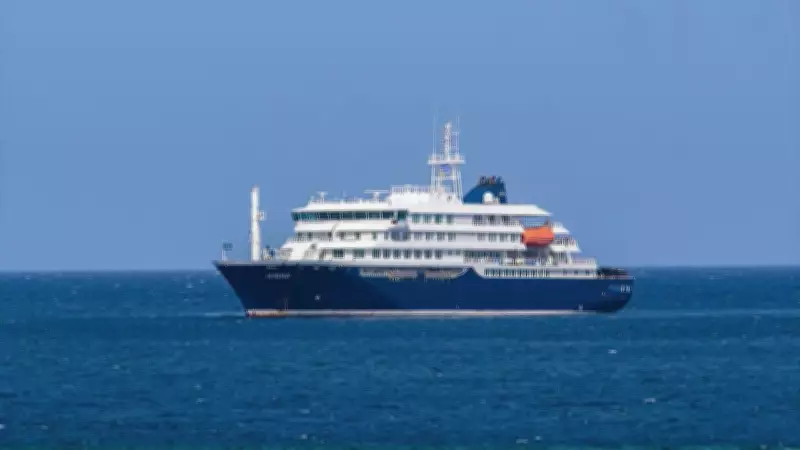
A suspected outbreak of the rare hantavirus on a cruise ship in the Atlantic Ocean has resulted in three deaths, including an elderly couple, and at least three others falling ill, according to the World Health Organisation (WHO) and South Africa's health authorities.
WHO Investigation Underway
In a statement to The Associated Press, the WHO confirmed that an investigation is underway and at least one case of hantavirus has been confirmed. One patient is in intensive care in a South African hospital, and the UN health agency is working with authorities to evacuate two others showing symptoms from the ship.
The Dutch company operating the cruise stated that the ship is currently anchored off the coast of Cape Verde, an island nation off Africa's west coast. Local authorities are assisting but have not allowed anyone to disembark. The two sick crew members requiring urgent medical care are among those affected.
Victims Identified
Two of the deceased are a husband and wife aged 70 and 69 from the Netherlands. The South African health ministry reported that the man fell ill on board and died on the island of Saint Helena, while his wife died at a hospital in Kempton Park, South Africa. A 69-year-old British man who became ill on the ship was taken to a private health facility in Johannesburg and tested positive for hantavirus.
Understanding Hantavirus
Hantavirus is typically contracted through contact with urine or feces from infected rodents. The US Centers for Disease Control and Prevention notes that hantaviruses cause two serious syndromes: hantavirus pulmonary syndrome, a severe lung disease, and hemorrhagic fever with renal syndrome, a severe kidney disease. Although rare, the WHO stated that hantavirus infections can be transmitted between people. There is no specific treatment or cure, but early medical attention can improve survival chances.
The WHO said, "WHO is aware of and supporting a public health event involving a cruise vessel sailing in the Atlantic Ocean. Detailed investigations are ongoing, including further laboratory testing and epidemiological investigations. Medical care and support are being provided to passengers and crew. Sequencing of the virus is also ongoing."