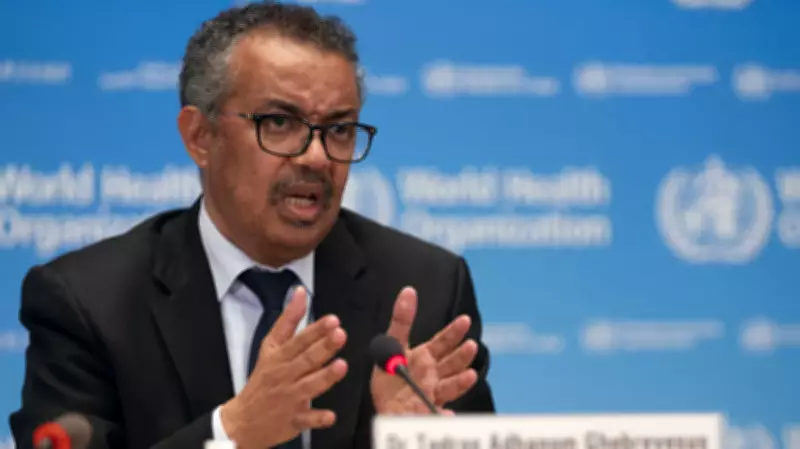
The World Health Organization (WHO) has declared the Ebola outbreak caused by the Bundibugyo virus strain in the Democratic Republic of the Congo and Uganda a Public Health Emergency of International Concern (PHEIC). However, the WHO clarified that the outbreak does not meet the criteria for classification as a pandemic emergency under the International Health Regulations (2005).
WHO Director-General's Statement
In a statement released on its website Sunday morning, WHO Director-General Tedros Adhanom Ghebreyesus said the decision followed consultations with both affected countries and was based on scientific evidence, the risk of international spread, and the potential impact on international travel and trade. The global health body commended the governments of DR Congo and Uganda for their response efforts and transparency in reporting the outbreak.
Current Case Numbers
According to the WHO, as of May 16, 2026, eight laboratory-confirmed cases, 246 suspected cases, and 80 suspected deaths had been reported in Ituri Province of DR Congo across Bunia, Rwampara, and Mongbwalu health zones. The agency also confirmed two laboratory-confirmed cases in Kampala, including one death, among individuals who had traveled from DR Congo. In addition, one confirmed case was reported in Kinshasa involving a traveler returning from Ituri Province.
Concerns Over Wider Transmission
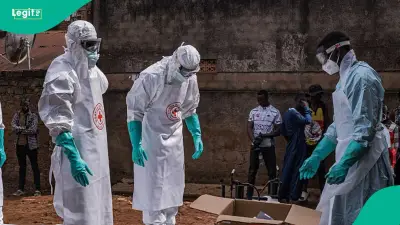
The WHO reported unusual clusters of community deaths and suspected infections across Ituri and neighboring North Kivu, raising concerns over wider transmission. The organization further disclosed that at least four healthcare workers had died in circumstances suggestive of viral hemorrhagic fever, heightening fears of healthcare-associated transmission and gaps in infection control measures.
“There are significant uncertainties to the true number of infected persons and geographic spread associated with this event at the present time,” the statement noted. The WHO warned that the outbreak could be much larger than currently detected, citing the high positivity rate among tested samples, increasing reports of suspected cases and deaths, and the spread to urban centers.
Challenges and Response
The agency noted that insecurity, humanitarian challenges, population movement, and informal healthcare networks could further worsen transmission risks. It also highlighted the absence of approved vaccines or treatments specifically targeting the Bundibugyo strain of the Ebola virus. The WHO Director-General said an Emergency Committee would be convened under the International Health Regulations framework to advise on temporary recommendations and further response measures for member states.