Medical Expert Provides Life-Saving Advice Following Tragic Snake Bite Death
The untimely death of Nigerian singer Ifunanya Nwangene has sent shockwaves through the nation, prompting urgent conversations about snake safety and prevention. The talented vocalist reportedly succumbed to snake bites in her Abuja apartment, despite attempting to drive herself to medical assistance. This heartbreaking incident has highlighted the very real danger that venomous snakes pose in Nigerian homes.
Understanding the Threat: Venomous Snakes in Nigeria
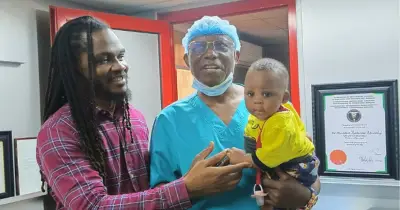
Dr. Emilia Ihezie, a medical expert based in Abuja, has stepped forward with crucial information to help prevent similar tragedies. She emphasizes that while snake bites occur with concerning frequency across Nigeria, the severity depends entirely on the species involved. "Snake bites are moderately dangerous in Nigeria," Dr. Ihezie explains, "and this also depends on the type of snakes involved. There are some venomous ones and there are some that do dry bites."
The doctor specifically identifies vipers and cobras as commonly encountered venomous snakes in the region, noting that cobra venom can be particularly lethal depending on the specific variety. Understanding this distinction is vital for appropriate response and treatment.
The Critical Time Window After a Bite
Dr. Ihezie provides essential information about the timeframe for venom effects, stating that symptoms typically begin within 30 minutes of a bite, though this can extend to two hours depending on bite location and snake species. She warns that venom containing cytotoxins can cause rapid onset of palpitations, excessive sweating, and debilitating weakness.
"Average time is 30 minutes," the medical expert clarifies. "But this also depends on the location of the bite. Note that this could also stretch for as long as 2 hours. If the venom contains cytotoxins, the victim would start experiencing palpitations, over sweating and weakness."
The Only Proven Treatment: Antivenom
Addressing widespread misinformation, Dr. Ihezie firmly states that antivenom remains the only scientifically proven treatment for venomous snake bites. She dismisses traditional remedies and unverified claims circulating online, emphasizing the life-or-death importance of proper medical intervention.
"Unfortunately snake anti venoms are the only proven cure," she asserts. "So the victim is going to lose their life eventually from either a heart attack or difficulty breathing."
Immediate Actions to Survive a Snake Bite
Should someone experience a venomous snake bite, Dr. Ihezie outlines these critical survival steps:
- Remain calm to slow venom circulation through the body
- Apply bandages around the affected area to restrict venom movement
- Minimize all physical movement to prevent spreading venom
- Call for immediate assistance or search for hospitals with antivenom
- Get transported to medical care without panic or delay
"In order to survive a venomous snake bite," she advises, "the victim needs to do all it takes to slow down circulation of the venom, which means reduce body movement to the barest minimum, bandage around the bitten areas in a way that it further restricts body movement around that area. Call for help or Google for hospitals with anti venom and get a helper to take you there immediately without panic."
Seven Essential Prevention Methods
Beyond emergency response, Dr. Ihezie provides seven practical measures to prevent snakes from entering homes:
- Conduct regular fumigation of your compound annually or biannually
- Trim trees touching house roofs if living in bungalows near bush areas
- Check toilet seats before use and ensure bathroom lighting
- Stick to defined paths when walking through bushy areas
- Eliminate rats from your compound as they attract snake predators
- Install nets on doors and windows to create physical barriers
- Inspect beds before sleeping as an additional safety check
The tragic loss of Ifunanya Nwangene has underscored the importance of snake awareness and prevention in Nigerian households. As the medical community mourns this preventable death, Dr. Ihezie's expert advice provides practical, potentially life-saving guidance for households across the nation.