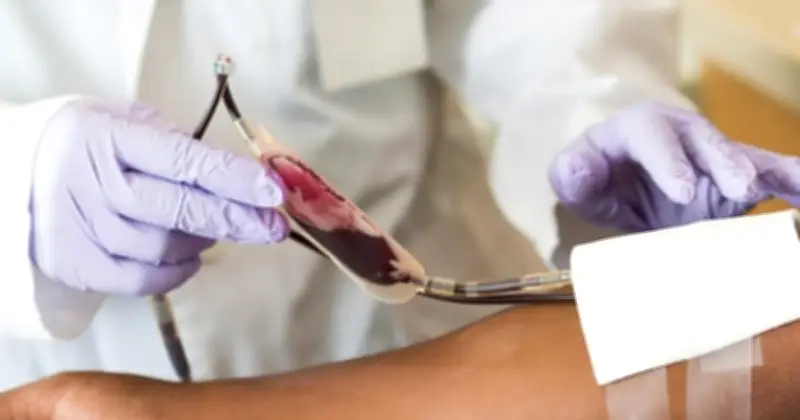
The Jehovah's Witnesses organisation has revised its longstanding policy on blood transfusions, now permitting individual members to decide for themselves whether to accept or donate whole blood components. The announcement, made on September 19, 2026, by Paul Gillis, the International Spokesman, marks a significant shift from the group's previous blanket prohibition.
Policy Shift to Individual Conscience
In a video broadcast, Gillis explained that each member will now have the autonomy to determine whether to receive or donate blood, guided by their personal conscience. The organisation maintains its stance on abstaining from the transfusion of whole blood, citing scriptural guidance. However, the spokesman noted that the scriptures do not specifically comment on the four main blood components—plasma, platelets, white cells, and red cells—which have been included in the abstention for decades.
Consequently, decisions regarding these components are now left to each Witness's individual conscience. The statement emphasised that the most important factor in such decision-making should be the capacity to "keep a clean conscience."

Recent History and Social Media Reaction
This adjustment follows a March 2026 policy change that allowed members to store their own blood for future personal use, a relaxation of the earlier outright ban on blood removal and transfusion. The organisation had reasoned that the Bible is silent on using one's own blood for medical care, thus leaving the matter to individual members.
The latest guideline has gone viral on social media, with observers commenting on the church's previous stance, which they believed contributed to avoidable deaths among members. Many referenced the 2025 case of Aunty Esther, a popular personal shopper and Jehovah's Witness member, who refused a blood transfusion while battling breast cancer.
Global Context and Criticisms
Jehovah's Witnesses' distinctive practices have long set them apart among Christian denominations worldwide. This has led to criticism and, in some countries, outright bans. The church is considered an extremist organisation in Russia, China, Singapore, and Eritrea. The policy change now allows members to elect to accept blood transfusions from donors or serve as donors themselves, a move that could reshape their medical care decisions and public perception.