The Lagos State Government has sounded the alarm on a silent but massive public health crisis, revealing that an estimated six million residents are currently living with hypertension.
A Silent Epidemic in Africa's Mega-City
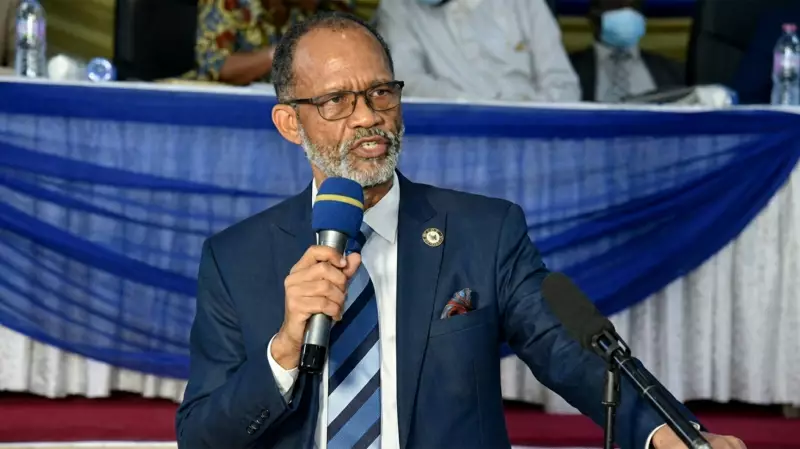
Data from the Lagos State Ministry of Health for 2025 paints a concerning picture. Professor Akin Abayomi, the State Commissioner for Health, disclosed the figures during a leadership dialogue held on January 13, 2026. The event was organized by the Lagos State Primary Health Care Board in partnership with development partners like Nigeria Health Watch.
The dialogue convened senior government officials, health administrators, and local council leaders. Their goal was to assess the state of primary healthcare delivery in Lagos and pinpoint critical gaps that need immediate intervention.
The Alarming Statistics of Undiagnosed Disease
Professor Abayomi highlighted the growing burden of non-communicable diseases (NCDs) in the state. He described hypertension, alongside diabetes and obesity, as a "silent killer" driving a surge in preventable complications seen in hospitals across Lagos.
The commissioner broke down the numbers clearly. With Lagos's population estimated at 30 million, the 20% hypertension prevalence rate translates to roughly six million people. The most dangerous part of this statistic is the widespread lack of awareness.
Approximately 70% of those with hypertension—about 4.2 million Lagosians—do not know they have the condition. This means they are living without a diagnosis and, consequently, without any form of treatment or management.
Urgent Call for Prevention and Primary Care
Abayomi explained that this ignorance is a primary reason hypertension continues to cause severe and often fatal health outcomes. These include heart failure, kidney failure, and stroke. Both hypertension and diabetes are insidious, frequently progressing without obvious symptoms until they have caused significant damage to the body's organs.
The commissioner stressed that this makes routine screening and early detection absolutely critical. He argued that many of the complications currently overwhelming secondary and tertiary hospitals in Lagos could be prevented if residents accessed regular check-ups at the primary healthcare level.
Simple, cost-effective interventions delivered through functional Primary Healthcare Centres (PHCs) could drastically reduce the disease burden. Abayomi listed key measures:
- Routine blood pressure measurement
- Blood sugar testing
- Regular weight monitoring
- Lifestyle counselling on diet and exercise
The state's focus is now on strengthening its primary healthcare system to act as the first line of defense against these preventable silent killers.