The Bauchi State Government has officially declared a cholera outbreak in the state, confirming 16 deaths amid a surge in acute watery diarrhea cases. As of 31 July 2026, the state has recorded 398 suspected cholera cases across 13 Local Government Areas (LGAs), with a case fatality rate of 4%, according to a leaked memo from the State Ministry of Health and Social Welfare.
Official Declaration and Response
The declaration was made in a memo addressed to international donor partners, titled "Declaration of Cholera Outbreak in Bauchi State," dated 01-08-2026. The memo states that the Honourable Commissioner for Health & Social Welfare, based on the recommendation of the state epidemiology team and public health emergency operation center, officially declared the outbreak. This action aligns with the International Health Regulations (2005), the National Technical Guidelines for Cholera Preparedness and Response, and the Federal Ministry of Health & Social Welfare's emergency management procedures.
The ministry's situation analysis reveals that the six most affected LGAs are Toro (231 cases), Alkaleri (46), Kirfi (46), Ganjuwa (21), Bauchi (14), and Tafawa Balewa (14). These figures underscore the severity of the outbreak, which has prompted immediate public health interventions.
Training of WASH Desk Officers
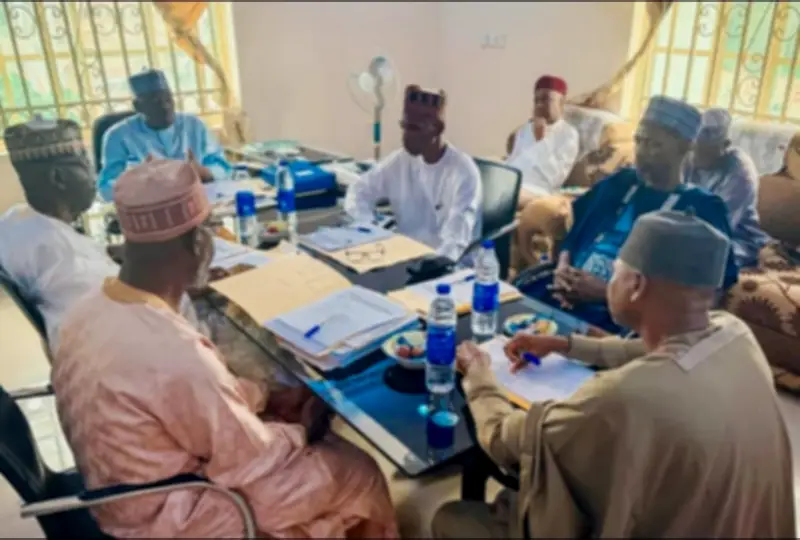
In a parallel effort, Water, Sanitation and Hygiene (WASH) Desk Officers from eight LGAs have undergone training on Case Area Targeted Intervention (CATI) to enhance preparedness and response. The workshop, organized by the Bauchi State Government through the Rural Water Supply and Sanitation Agency (RUWASSA) and the United Nations Children's Fund (UNICEF), aims to equip officers with professional skills to manage the outbreak effectively.
UNICEF WASH Specialist for Bauchi Field Office, Nambam Dawap, emphasized the importance of the training: "We are here to prepare response to possible cholera outbreak, we want to train the WASH Desk Officers from the Eight high risk LGAs to equip them on how to effectively respond."
UNICEF's Focus on Child Survival
Dawap highlighted UNICEF's commitment to child survival, particularly during the first 1,000 days of a child's life. "Cholera is a fundamental concern when it comes to child survival," she said, adding that unsafe water, inadequate sanitation, and poor hygiene significantly increase the risk of cholera and diarrhea. "It's not enough to have water for drinking. Water must be clean and safe, especially for children."
She warned about the dangers of contaminated water sources: "Some of the water that we have in our houses come from public water where we recirculate it and it goes through the drainages, what we call gutter. Those same drainages carry a lot of germs, water related diseases, and then high risk of contaminating that water."
Addressing Open Defecation and Hygiene
Dawap stressed the need to combat open defecation, noting that "a gram of excreta openly carries millions of bacteria and viruses," which can lead to cholera and diarrhea outbreaks. She called for the use of improved toilets and emphasized the importance of handwashing at critical times, such as after using the toilet and before feeding a baby. "Research has shown that it can help reduce the risk of diseases by over 50% when hands are washed," she added.
The UNICEF specialist urged a comprehensive approach: "When cases have reduced, we should go to the root cause of the problem, around washing of hands, using of toilet, and ensuring that water is safe for children." She concluded that "We all have responsibility for that. Government has responsibility, CSOs have responsibility, caregivers and parents have responsibility to ensure that we tackle the issue."