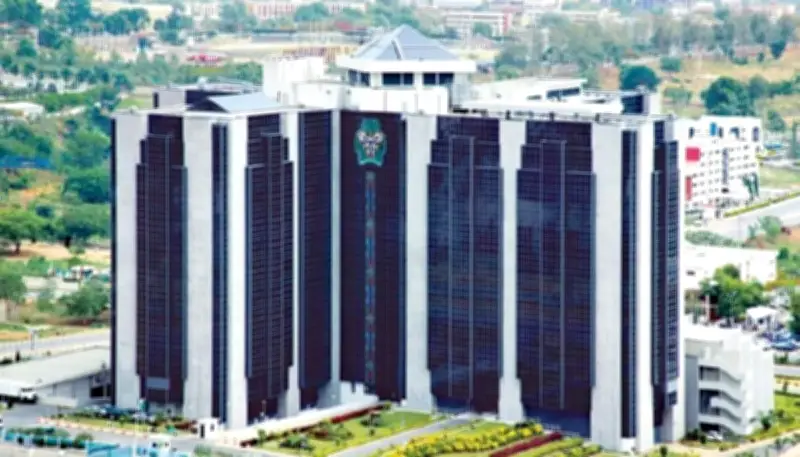
The Central Bank of Nigeria (CBN) has released a new survey indicating that high energy costs continue to weigh heavily on Nigerian households, even as inflation expectations show signs of easing. The survey, which polled consumers across the country, found that energy expenses remain the most significant financial burden for families, overshadowing other concerns such as food prices and transportation costs.
Energy Costs Top Household Concerns
According to the CBN's latest Consumer Expectations Survey, a majority of respondents identified energy costs as their primary financial challenge. The survey, conducted in the second quarter of 2026, revealed that 72% of households listed electricity and fuel expenses as their biggest strain on monthly budgets. This marks a slight increase from the previous quarter, underscoring the persistent pressure on disposable income.
The findings come amid a broader economic environment where inflation has begun to moderate. The National Bureau of Statistics reported a year-on-year inflation rate of 18.4% in June, down from 19.2% in May. However, the CBN survey suggests that the decline in headline inflation has not yet translated into tangible relief for consumers, particularly in the energy sector.
Inflation Expectations Ease, But Disconnect Persists
The survey also indicated that consumers' inflation expectations for the next 12 months have softened. The median expected inflation rate fell to 15.8% from 17.1% in the previous survey, reflecting growing confidence in the central bank's monetary policy stance. Yet, this optimism appears disconnected from the lived experience of many Nigerians, who continue to grapple with soaring energy prices.
Dr. Yemi Ogunleye, an economist at the University of Lagos, commented on the findings: "The CBN survey highlights a critical paradox. While macroeconomic indicators are improving, microeconomic realities remain harsh. Energy costs are a fundamental input for almost every household activity, so their persistence keeps the cost of living high even as other prices stabilize."
Impact on Households and Businesses
The burden of energy costs is not limited to households. Small and medium-sized enterprises (SMEs) are also feeling the pinch, with many reporting reduced profit margins due to higher electricity and fuel expenses. The survey noted that 58% of business owners polled cited energy costs as a major constraint on their operations, leading to job cuts or reduced working hours in some cases.
For households, the impact is multifaceted. Many respondents said they have had to adjust their spending patterns, cutting back on non-essential items and even food quality, to accommodate energy bills. Others have turned to alternative energy sources, such as generators and solar panels, but the initial investment and maintenance costs pose additional challenges.
Policy Implications and Government Response
The CBN survey's findings are likely to prompt renewed calls for policy intervention. The federal government has already announced plans to subsidize electricity for rural communities and to promote renewable energy adoption, but these measures have been slow to materialize. Meanwhile, the Nigerian Electricity Regulatory Commission (NERC) has approved tariff increases for some customer bands, which could exacerbate the burden on urban households.
Analysts argue that a multi-pronged approach is needed. "Addressing energy costs requires not only price regulation but also investment in infrastructure and diversification of energy sources," said Dr. Ogunleye. "The government must accelerate its transition to renewable energy and improve grid reliability to reduce the reliance on expensive diesel generators."
Outlook and Consumer Sentiment
Despite the challenges, consumer confidence appears to be gradually improving. The CBN survey recorded a slight uptick in the overall consumer confidence index, from 104.2 to 106.5, suggesting that many Nigerians remain hopeful about the economic outlook. However, this optimism is conditional on tangible improvements in energy affordability.
As the CBN continues its monetary policy tightening to combat inflation, it faces a delicate balancing act. While higher interest rates can help curb price pressures, they also increase borrowing costs for businesses and consumers, potentially slowing economic growth. The survey's findings underscore the need for coordinated fiscal and monetary measures to alleviate the energy burden without derailing the disinflation process.
In the meantime, Nigerian households are left to navigate the daily reality of high energy costs, hoping that the easing inflation figures will eventually reflect in their wallets.