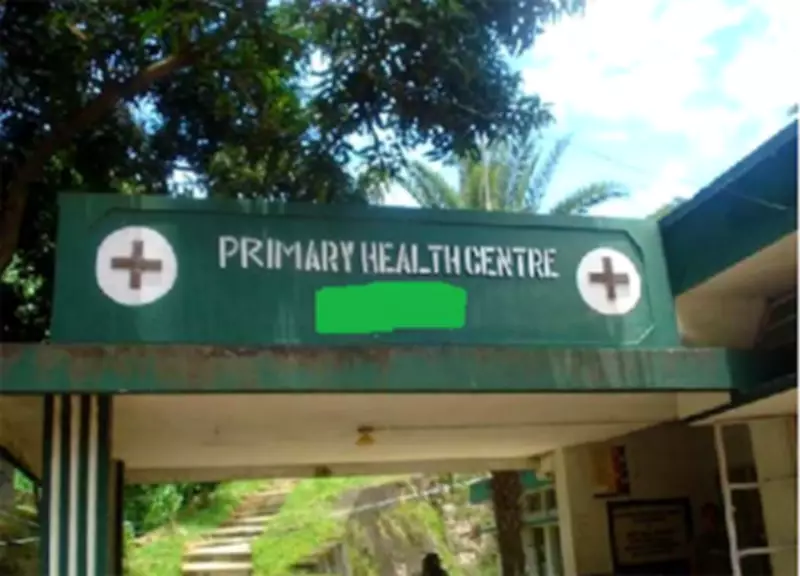
Federal Government Approves Over N32 Billion for Primary Healthcare Centres to Boost Service Delivery
The Federal Government has given its approval for the disbursement of more than N32 billion to Primary Healthcare Centres (PHCs) across Nigeria. This significant funding is aimed at strengthening healthcare facilities and enhancing service delivery nationwide.
Ministerial Oversight Committee Meeting Details
The approval was granted during the 14th and first quarter 2026 meeting of the Ministerial Oversight Committee of the Basic Healthcare Provision Funds, held in Abuja. At this gathering, key stakeholders discussed strategies to improve the healthcare sector.
Statements from Health Officials
Prof. Muhammad Ali Pate, the Coordinating Minister of Health and Social Welfare, addressed the committee. He explained that the funds will be allocated to BHCPF facilities based on guidelines approved in 2025. Additionally, the Ministry plans to expand the number of facilities benefiting from this fund.
"We are on our way to expanding the facilities to 5,000 more that will be receiving direct facility financing," Pate stated, highlighting the government's commitment to broadening access to healthcare services.
Key Initiatives and Progress Updates
The meeting also covered several critical healthcare initiatives:
- Emergency Ambulance Tariff Rates: An increase in tariff rates for emergency ambulances was considered to compensate both private and public sector providers.
- Immunization Campaign: Over 102 million children were immunized during a large-scale integrated measles and rubella campaign launched last year.
- Maternal and Child Health: Despite progress in reducing child and maternal mortality rates, Pate noted that these rates remain high, necessitating continued efforts.
- Disease Outbreak Control: More than 200 disease episodes were reported and contained early in the past year, showcasing improved response mechanisms.
Focus on Outcomes and Financing
Pate emphasized that the current administration is aligning financing with tangible outcomes. The BHCPF 2.0 initiative ensures that resources lead to real improvements in service delivery, particularly at the primary healthcare level where most Nigerians seek care.
"We are doing well in terms of efforts to improve maternal and child mortality, and disease outbreaks control," he said, underscoring the positive impact of these measures.
Specific Programs and Reimbursements
Several programs have shown promising results:
- Emergency Obstetric Services: President Bola Ahmed Tinubu's vision for free emergency obstetric services has benefited over 40,000 women through reimbursements.
- Free Fistula Program: More than 4,000 women have reclaimed their lives through this initiative.
- Neonatal Care Reimbursement: This program is in its early stages, with initial signs of success in managing obstetric delivery complications.
Broader Health Sector Initiatives
The quarterly meeting also reviewed the Basic Healthcare Provision Funds and the overall Health Sector Renewal Investment Initiative. Progress has been recorded across multiple dimensions, including utilization rates, maternal mortality, and immunization efforts.
"What we have seen is a continuation of the progress across multiple dimensions of primary health care," Pate confirmed, noting that resources are effectively reaching healthcare facilities.
Insights from Other Officials
Dr. Iziaq Adekunle Salako, the Minister of State, highlighted the focus on outcomes that Nigerians can directly experience. "This is about outcomes Nigerians can see and feel: safer deliveries, improved emergency response, and functional primary healthcare centres," he stated.
Role of BHCPF and Gateway Agencies
The BHCPF serves as a core financing mechanism by the Federal Government, designed to provide predictable funding, reduce out-of-pocket costs, and improve access to quality care, especially for vulnerable populations.
At the meeting, gateway agencies such as the NHIA, NPHCDA, and NCDC presented updates on their implementation efforts. Representatives from ALGON and Civil Society Organisations provided field-level insights and recommendations, reflecting advancements in expanding service delivery, strengthening public health responses, and improving financial protection for Nigerians as the country moves towards Universal Health Coverage.
Priority Interventions Reviewed
The committee reviewed several priority interventions aimed at enhancing healthcare outcomes:
- MAMII: Driving targeted, data-led actions to reduce maternal and newborn deaths.
- HOPE PHC: Improving service readiness, workforce capacity, and PHC performance.
- NHF (National Health Fellows Programme): Strengthening leadership, accountability, and delivery across the health system.
Progress on the National Emergency Medical Services and Ambulance System (NEMSAS), along with broader maternal and child health indicators, was also assessed to reinforce emergency response and lifesaving care capabilities.
The accelerated rollout of BHCPF 2.0 under the Sector-Wide Approach (SWAp) aligns financing, service delivery, and accountability mechanisms to deliver improved health outcomes nationwide, in line with the Nigeria Health Sector Renewal Investment Initiative (NHSRII).